

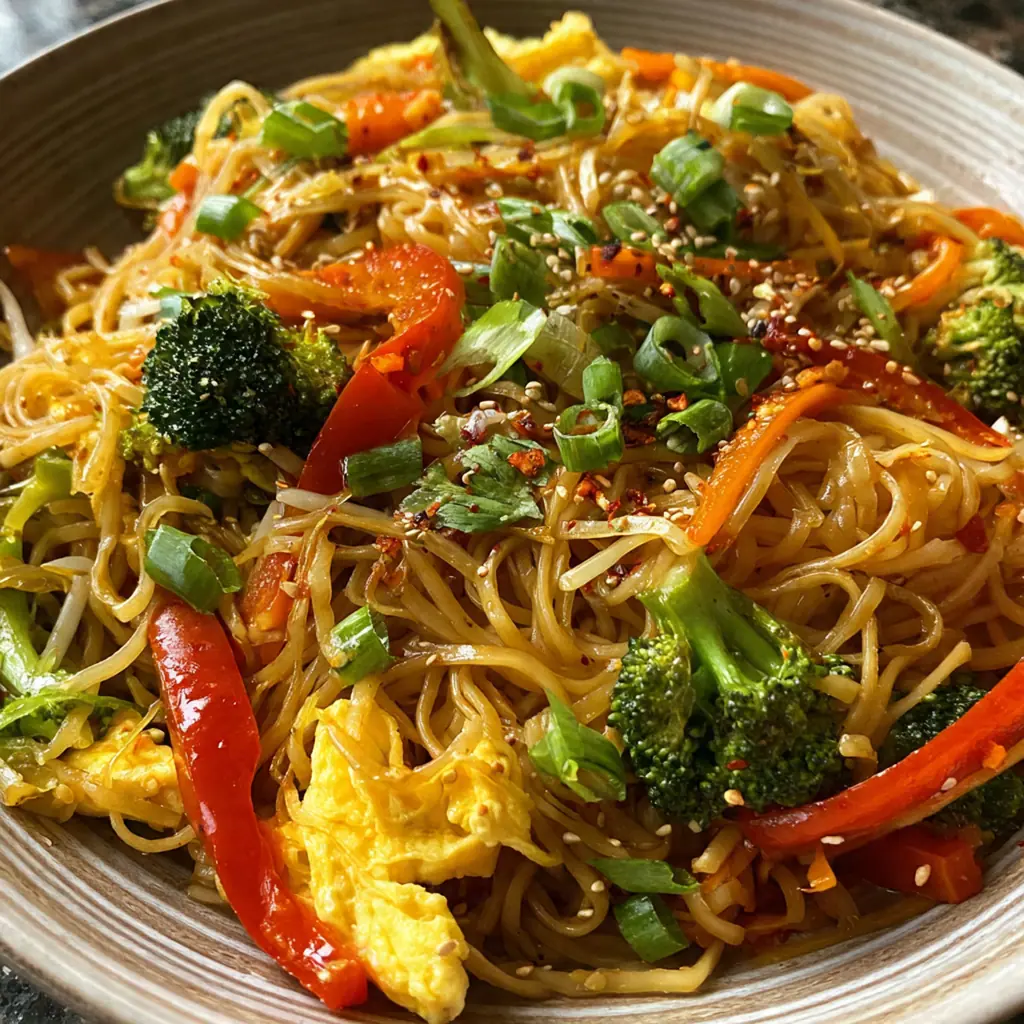
Those craveable Viral Cafeteria Noodles have taken over social feeds for a reason, perfectly capturing the comforting, nostalgic flavor of a classic school lunch in a simple one-pan meal. This Chinese-American dish transforms basic pantry ingredients into something truly special, with tender noodles, savory ground beef, and a rainbow of crisp vegetables all tossed in that unforgettable sauce. It’s the ultimate weeknight win, ready in about thirty-five minutes and guaranteed to satisfy the whole family. I still make it whenever I need a hit of that familiar, cozy flavor.
Why You'll Love This Recipe
- Ready in about 30 minutes for a quick, satisfying meal
- Uses pantry-staple ingredients and affordable proteins
- Highly adaptable—swap in chicken, tofu, or your favorite veggies
- A crowd-pleaser that both kids and adults will enjoy
- It’s the nostalgic dinner I make most often.
Ingredients You’ll Need
- Dried ramen noodles or spaghetti: these are the hearty base of the dish, providing that classic chewy texture; choose ramen for a more authentic feel or spaghetti if that’s what you have on hand.
- Vegetable oil: a neutral oil with a high smoke point, perfect for searing the beef and sautéing the vegetables without burning.
- Ground beef: this affordable protein brings savory, meaty flavor; I typically use 80/20 for the best balance of lean meat and fat for flavor.
- Onion: diced onion forms the aromatic base of the dish, cooking down to add a subtle sweetness and depth.
- Garlic: freshly minced garlic is non-negotiable for that pungent, savory backbone that makes the sauce so good.
- Fresh ginger: grated ginger adds a bright, slightly spicy kick that cuts through the richness and feels essential.
- Shredded green cabbage: this vegetable adds a wonderful crunch and slight sweetness, holding up perfectly during cooking.
- Shredded carrots: they bring color, a touch of natural sweetness, and more of that satisfying crisp-tender bite.
- Sliced celery: another textural champion, celery contributes a fresh, slightly peppery note that balances the dish.
- Soy sauce: the primary salty, umami component of the sauce; use a regular or low-sodium variety based on your preference.
- Oyster sauce: this is the secret weapon for deep, savory flavor and a touch of viscosity that helps the sauce cling.
- Sesame oil: used at the end, its distinctive nutty aroma is the finishing touch that makes everything smell and taste incredible.
- Granulated sugar: just a bit balances the saltiness of the soy and oyster sauce, creating a more rounded flavor profile.
- Black pepper: a simple seasoning that adds a gentle warmth and complexity to the overall sauce.
- Sliced green onions: a fresh, bright garnish that adds color and a mild oniony finish right before serving.
- Toasted sesame seeds: these provide a final nutty crunch and visual appeal, making the dish look restaurant-ready.
How to Make It
Boil the Noodles:
Start by bringing a large pot of water to a rolling boil. Cook your chosen noodles according to the package directions until they’re just al dente. You want them to have a little bite since they’ll cook a bit more later. Drain them well and set aside while you build the rest of the dish.
Brown the Ground Beef:
Heat the vegetable oil in a large skillet or wok over medium-high heat. Once the oil is shimmering, add the ground beef. Use a spoon to break it up into small crumbles as it cooks. Let it brown for 5 to 7 minutes until there’s no pink left; this builds a ton of flavor.
Sauté the Aromatics:
Add the diced onion, minced garlic, and grated ginger right to the skillet with the beef. Give everything a good stir. Cook this mixture for just 2 to 3 minutes until the onions turn translucent and the kitchen smells amazing. Don’t let the garlic burn.
Cook the Vegetables:
Now, stir in all your shredded cabbage, carrots, and sliced celery. The pan will be full, but the vegetables will wilt down quickly. Keep the heat on medium-high and cook for about 4 to 5 minutes, stirring occasionally. You’re aiming for tender-crisp veggies with lots of color and life.
Whisk Together the Sauce:
While the veggies cook, grab a small bowl. Whisk together the soy sauce, oyster sauce, sesame oil, sugar, and black pepper until the sugar dissolves completely. This creates the iconic, savory-sweet sauce that defines these Viral Cafeteria Noodles.
Combine Sauce and Noodles:
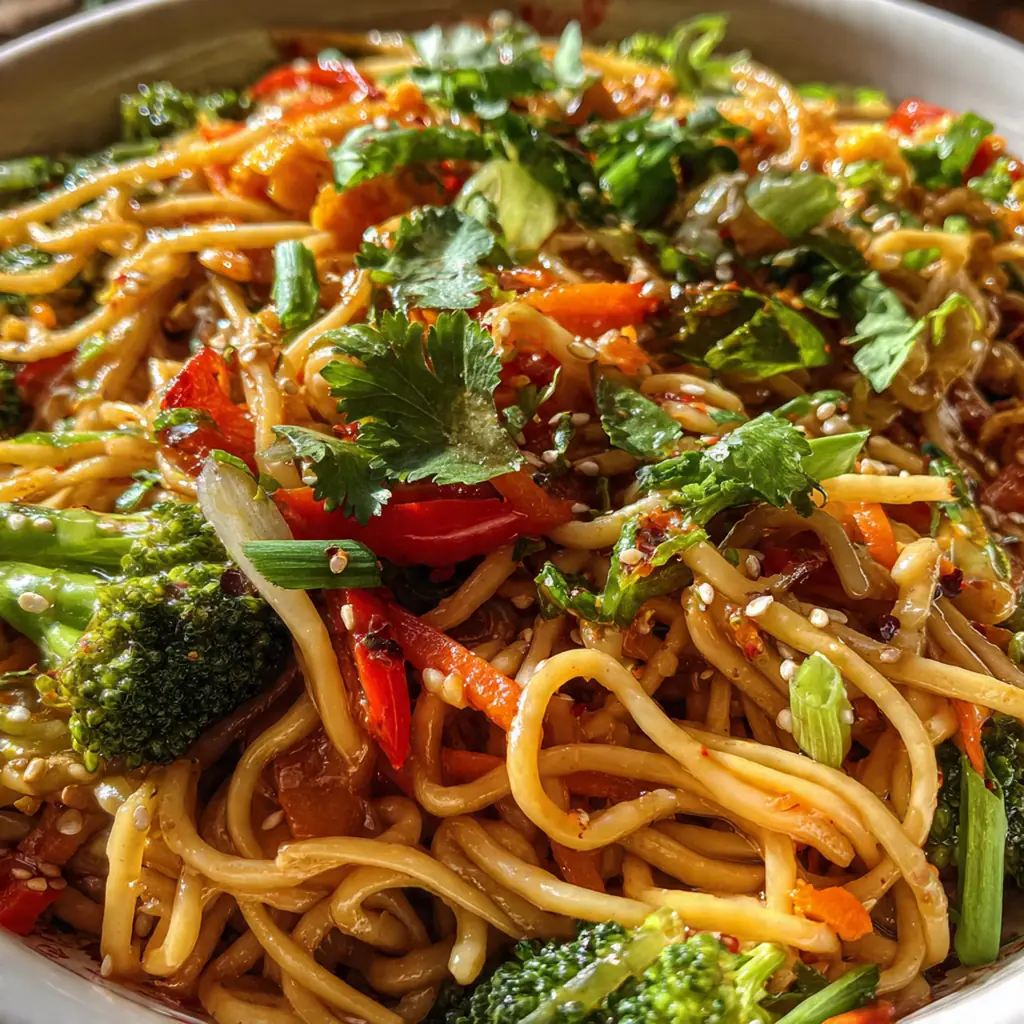
Pour your prepared sauce over the beef and vegetable mixture in the skillet. Stir everything well so every piece gets coated, and let it bubble for a minute or two. Then, add your drained noodles to the skillet. Use a pair of tongs to gently toss and fold everything together until the noodles are perfectly coated and heated through, about 2 to 3 more minutes.
Finish and Serve:
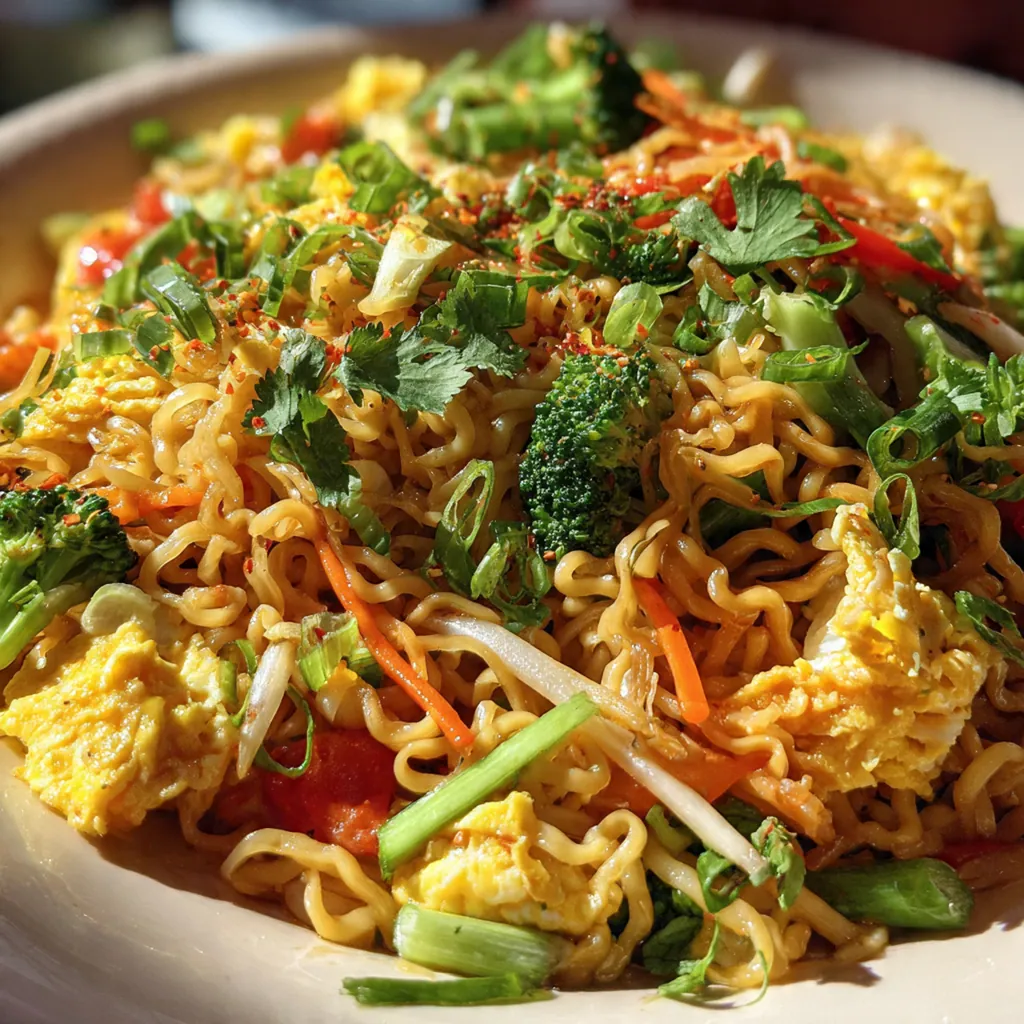
Take the skillet off the heat. Give the noodles one final toss to distribute everything evenly. If you’re using them, scatter the sliced green onions and toasted sesame seeds over the top for that fresh, finished look. Serve it immediately while it’s steaming hot and absolutely perfect.
You Must Know
- Cook your noodles just to al dente
- Whisk the sauce together in advance
- Keep the heat high for crisp-tender veggies
- Don’t skip the final toss with tongs
- It’s all about that nostalgic sauce.
Storage Tips
Store any leftovers in an airtight container in the fridge, where they’ll stay good for up to three days. When you’re ready to reheat, I prefer using a skillet over medium heat with a tiny splash of water to help loosen the noodles and bring back their saucy texture. You can also microwave it in 30-second intervals, stirring between each one. Just know the vegetables will soften a bit more upon reheating, but the flavor is still fantastic the next day, making it a stellar meal prep option.
Ingredient Substitutions
You’ve got plenty of room to make this dish your own. Swap the ground beef for ground turkey, chicken, or even crumbled firm tofu for a different protein. If cabbage isn’t your thing, try shredded Brussels sprouts or bok choy. Don’t have oyster sauce? A tablespoon of hoisin sauce mixed with an extra teaspoon of soy sauce can work in a pinch. For a gluten-free version, simply use tamari instead of soy sauce and your favorite gluten-free noodles. The beauty of these Viral Cafeteria Noodles is how forgiving and adaptable they are.
Serving Suggestions
This dish is a complete meal on its own, but I love rounding it out with something light and fresh. A simple side of steamed broccoli or snap peas adds extra green vibrancy. For a cool contrast, a quick cucumber salad with rice vinegar is perfect. If you’re feeling fancy or serving a crowd, store-bought vegetable spring rolls or creamy wonton soup make the whole spread feel like a takeout feast right at your kitchen table.
Cultural Context
This recipe is a beautiful example of Chinese-American cuisine, a style that evolved to suit available ingredients and local tastes. While not a traditional dish from any specific region of China, it captures the essence of comfort food that became a staple in school cafeterias and home kitchens across the U.S. The use of ground meat, accessible vegetables like cabbage and carrots, and a savory sauce based on soy and oyster sauce creates a uniquely familiar and beloved flavor profile. It’s a testament to how food adapts and becomes its own cherished tradition, which is exactly why these Viral Cafeteria Noodles resonate so deeply.
Pro Tips
- Discard the ramen seasoning packets if using
- Whisk cornstarch with water for a thicker sauce
- Add a splash of noodle water if the pan seems dry
- Let everything get a little crispy in the hot pan
- My family always asks for seconds.
Frequently Asked Questions
The classic choice is dried ramen noodles (without the seasoning packet), which have that authentic texture. However, spaghetti works perfectly as a substitute if that’s what you have on hand—just cook it until al dente before adding.
Absolutely! This dish stores and reheats well. Let it cool completely, then store in an airtight container in the fridge for up to 3 days. Reheat in a skillet or microwave, adding a splash of water or broth to loosen the noodles if needed.
For a similar savory depth, you can use hoisin sauce or an extra tablespoon of soy sauce mixed with ½ teaspoon of brown sugar. While the flavor will be slightly different, it will still be delicious.
The dish is done when the ground beef is fully cooked through (no pink remains) and the cabbage and carrots are tender-crisp. The sauce should be bubbling and coating the noodles evenly, which takes about 3-5 minutes after combining everything.
This is a complete one-pan meal on its own! For a classic Chinese-American diner experience, you could pair it with simple egg rolls or a light side salad with a ginger-sesame dressing.