

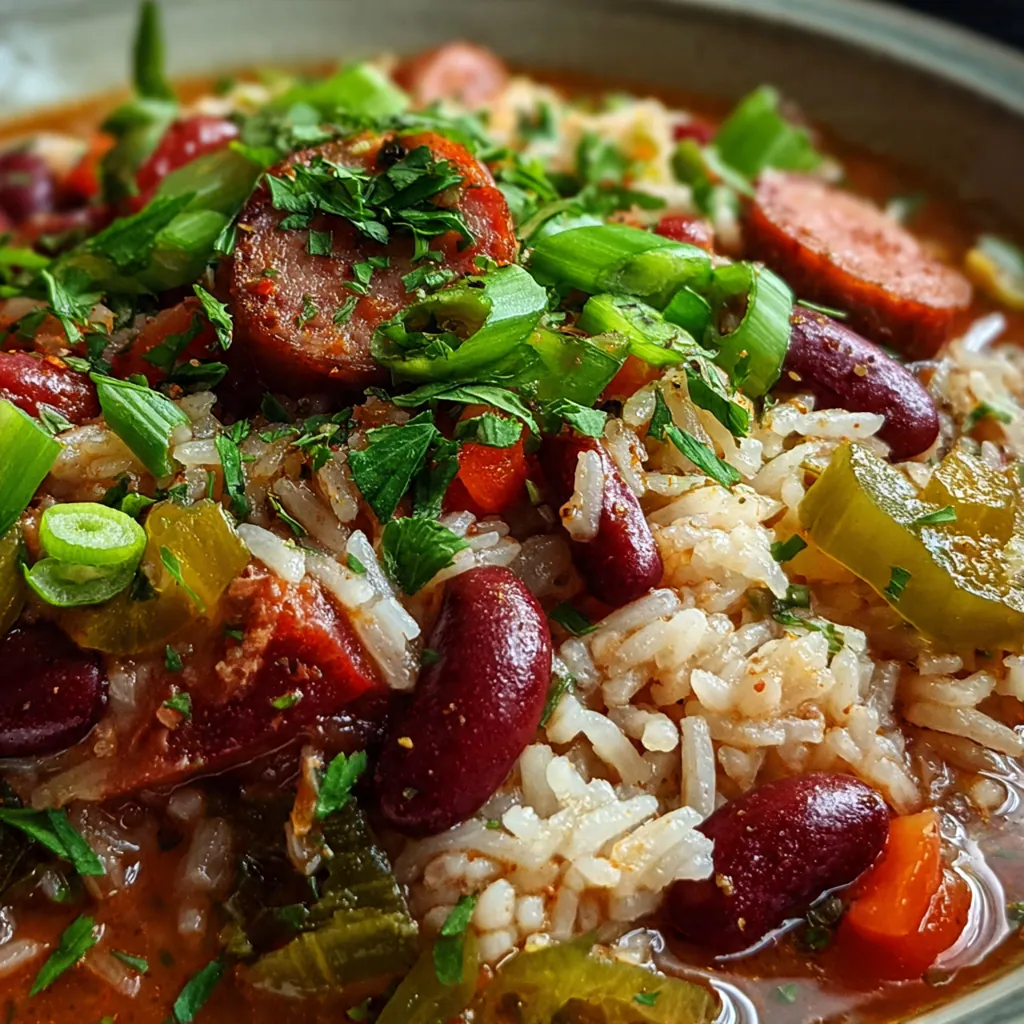
Classic Louisiana Red Beans and Rice is a beloved tradition in Southern kitchens, offering a hearty meal steeped in Creole history. This dish transforms humble ingredients like dried beans and andouille sausage into something deeply flavorful and incredibly comforting. It’s the perfect example of Louisiana cuisine, where the holy trinity of vegetables and slow simmering create a rich, creamy pot of beans. You’ll find this recipe captures that authentic, soul-satisfying essence for a meal that truly feels like home.
Why You'll Love This Recipe
- The rich, smoky sausage and spices create layers of flavor in every bite
- It’s a deeply comforting and satisfying meal perfect for any night of the week
- You’ll love the creamy, luxurious texture of the slow-simmered beans
- Leftovers are even better as the flavors meld together overnight
- I make a big pot every Monday and it’s a family favorite
Ingredients You’ll Need
- Dried red kidney beans: They’re the star and provide a creamy, starchy base when cooked slowly, always pick over them to remove any small stones or debris.
- Vegetable oil: Used for sautéing, it has a neutral flavor that lets the other ingredients shine, any high-heat oil like canola works perfectly.
- Andouille sausage: This smoked pork sausage delivers essential smoky, spicy, and garlicky notes that define the dish’s flavor profile.
- Yellow onion: It forms the sweet, savory base of the holy trinity, cooking down to add a foundational depth to the pot.
- Green bell pepper: Part of the classic trinity, it contributes a fresh, slightly bitter note that balances the richness of the sausage.
- Celery stalks: The third component of the trinity, celery adds an earthy, aromatic quality and a subtle crunch that cooks down beautifully.
- Garlic cloves: Minced garlic brings a pungent, aromatic kick that’s fundamental to Creole cooking and infuses the entire dish.
- Bay leaves: These dried herbs impart a subtle, floral complexity that’s unmistakable, just remember to remove them before serving.
- Dried thyme: Its earthy, slightly minty flavor is a cornerstone of the Creole spice blend used in this style of cooking.
- Cayenne pepper: This is where you control the heat, start with a little and add more at the end if you want it spicier.
- Smoked paprika: It adds a deep, smoky sweetness and a beautiful red color that you can’t get from regular paprika.
- Salt: Essential for seasoning the beans and building the overall flavor, you’ll adjust it again at the very end.
- Black pepper: Freshly ground black pepper adds a warm, sharp bite that complements the other spices perfectly.
- Chicken broth: Using broth instead of water gives the beans a richer, more savory base, though water works just fine too.
- Long-grain white rice: It’s the classic, fluffy bed for the beans, absorbing the creamy sauce and making the meal complete.
- Green onions and parsley: These fresh garnishes add a pop of color and a bright, fresh finish that cuts through the richness.
- Hot sauce: Serving it on the side lets everyone customize their own bowl with an extra vinegary or spicy kick.
How to Make It
Soak Your Beans Overnight:
Place your dried beans in a large bowl and cover them with several inches of cold water, then let them soak overnight. This step hydrates the beans so they cook evenly and become perfectly tender, and it can help make them easier to digest. If you forgot to soak them, a quick soak method works just as well in a pinch.
Brown the Andouille Sausage:
Heat the oil in your heavy pot over medium-high heat and add the sliced sausage. You want to get a good sear on those rounds to render out some fat and build a flavorful fond in the bottom of the pot. Remove the sausage with a slotted spoon and set it aside, leaving that delicious oil behind for the vegetables.
Sauté the Holy Trinity:
Turn the heat down to medium and add your chopped onion, bell pepper, and celery to the pot. Cook them slowly, stirring now and then, until they become soft and translucent. This foundational step builds the aromatic base of your dish, so don’t rush it—it should take about ten minutes.
Bloom the Spices:
Add the minced garlic, bay leaves, thyme, cayenne, smoked paprika, salt, and black pepper to the softened vegetables. Stir constantly for just a minute or two until everything becomes incredibly fragrant. This quick cook wakes up the dried spices and garlic, releasing their oils and flavors into the base.
Simmer the Beans to Tenderness:
Return the browned sausage to the pot and add the drained beans and your chicken broth. Bring it all to a lively boil, then reduce the heat to a gentle, steady simmer. Cover the pot and let it cook for about two hours, checking occasionally and stirring to prevent sticking.
Cook Your Rice Separately:
About a half hour before your beans are done, start the rice. Combine the rice, water, and salt in a saucepan, bring it to a boil, then cover and reduce to the lowest heat. Let it cook undisturbed for about 18 minutes, then take it off the heat and let it steam, still covered, for five more minutes.
Thicken the Bean Pot:
Once your beans are completely tender, use a spoon or a potato masher to mash about a third of them right against the side of the pot. This releases their starch and naturally thickens the sauce into a luxurious, creamy gravy. Let it simmer uncovered for another 15 minutes to reach the perfect consistency.
Adjust and Assemble:
Turn off the heat under your beans and taste for seasoning, adding more salt, pepper, or cayenne if you’d like. Don’t forget to fish out and discard those bay leaves. Fluff your rested rice with a fork, then spoon it into bowls and ladle the creamy red beans right over the top.
Finish with Fresh Garnishes:
Sprinkle each bowl generously with chopped green onions and fresh parsley for a burst of color and freshness. Set out a bottle of your favorite hot sauce so everyone can add their own perfect finishing touch of heat and vinegar.
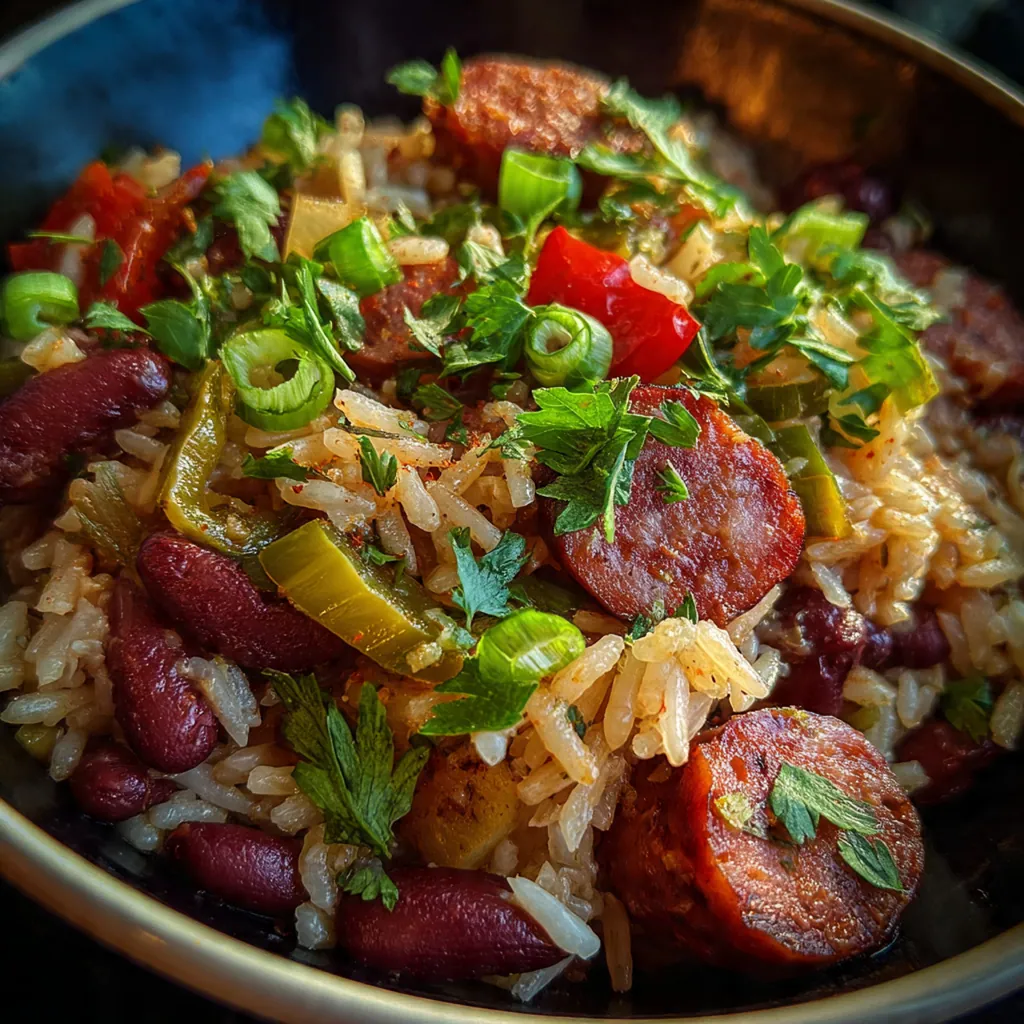
You Must Know
- The holy trinity of onion, pepper, and celery is non-negotiable for flavor
- Andouille sausage gives the dish its signature smoky, spicy backbone
- Slow, patient simmering is what makes the beans tender and creamy
- Mashing some beans at the end creates the perfect sauce texture
- I never skip the fresh green onion garnish
Storage Tips
For the best results, store your leftover Louisiana Red Beans and Rice separately. Keep the beans in one airtight container and the rice in another, then pop them both in the fridge where they’ll stay good for up to four days. The beans freeze beautifully for about three months—just thaw them overnight in the fridge before reheating. When you’re ready to eat, warm the beans gently on the stove with a splash of water or broth to loosen them up, and reheat the rice with a sprinkle of water in the microwave or a steamer.
Ingredient Substitutions
If you can’t find andouille, any good smoked sausage or kielbasa will work, though the flavor will be a bit milder and less spicy. For a vegetarian version, skip the sausage and use smoked paprika along with a splash of liquid smoke for that essential smoky depth, and be sure to use vegetable broth. While dried red kidney beans are traditional, you can use canned in a pinch—just drain and rinse them, then add them in the last 30 minutes of simmering so they don’t turn to mush. For the rice, long-grain white is classic, but brown rice or even cauliflower rice are fine swaps, just adjust the cooking time according to the package.
Serving Suggestions
This dish is a complete meal on its own, but I love to round it out with a piece of warm, buttery cornbread for dipping into that creamy sauce. A simple, crisp green salad with a tangy vinaigrette cuts through the richness beautifully, and some crispy fried okra or pickled vegetables on the side add great texture. For drinks, an ice-cold lager or a glass of sweet tea is the traditional and perfect pairing to balance the spicy, smoky notes of the Louisiana Red Beans and Rice.
Cultural Context
Louisiana Red Beans and Rice is more than just a meal; it’s a cornerstone of Creole culture with roots stretching back centuries. Traditionally, Monday was wash day, and a pot of these beans could simmer unattended for hours while the household chores were done, making it a practical and deeply flavorful tradition. The dish is a beautiful fusion of West African, French, and Spanish influences, using local ingredients like red beans and the holy trinity to create something uniquely American. That slow-cooked, creamy pot of beans served over rice represents the heart of New Orleans home cooking, where economy, community, and incredible flavor come together in one pot.
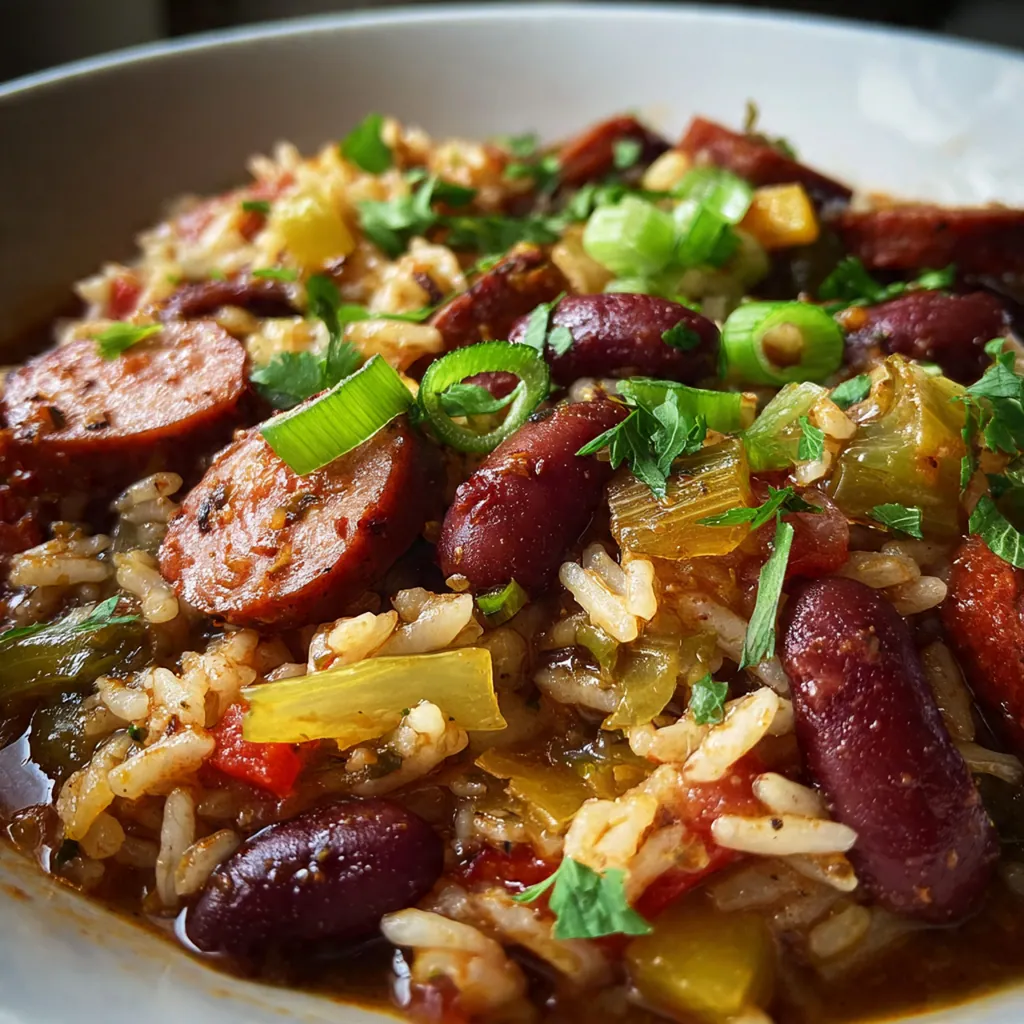
Pro Tips
- Always use a heavy-bottomed pot like a Dutch oven for even, slow cooking
- Don’t rush the sauté on your holy trinity—let those veggies get soft
- Taste and adjust the seasoning right at the end, especially the salt and heat
- If your beans aren’t creamy enough, mash a few more directly in the pot
- My secret is a tiny splash of vinegar at the end to brighten everything up
Frequently Asked Questions
Authentic Louisiana Red Beans And Rice uses dried red kidney beans. They’re rinsed and picked over before a long, slow simmer, which allows them to become tender and release starch to create the dish’s signature creamy, thick sauce.
Absolutely! In fact, the flavors deepen when made ahead. Let it cool completely and store it in an airtight container in the refrigerator for up to 3-4 days. Reheat gently on the stovetop, adding a splash of broth or water if needed to loosen the consistency.
If you can’t find andouille, a good smoked sausage like kielbasa makes a fine substitute. For a spicier kick, use chorizo, or for a milder flavor, try a regular smoked pork sausage. The smokiness is the key flavor component to maintain.
The beans should be completely tender and the sauce should be thick and creamy, not watery. After about 2 hours of simmering, mash some beans against the pot’s side with a spoon and stir them in—this is the traditional technique to thicken the sauce to the right consistency.
This dish is a complete meal on its own! Traditional accompaniments include a side of cornbread, a simple green salad, or a few dashes of hot sauce for extra heat. For a true Louisiana experience, serve it on a Monday—it’s a longstanding tradition!