

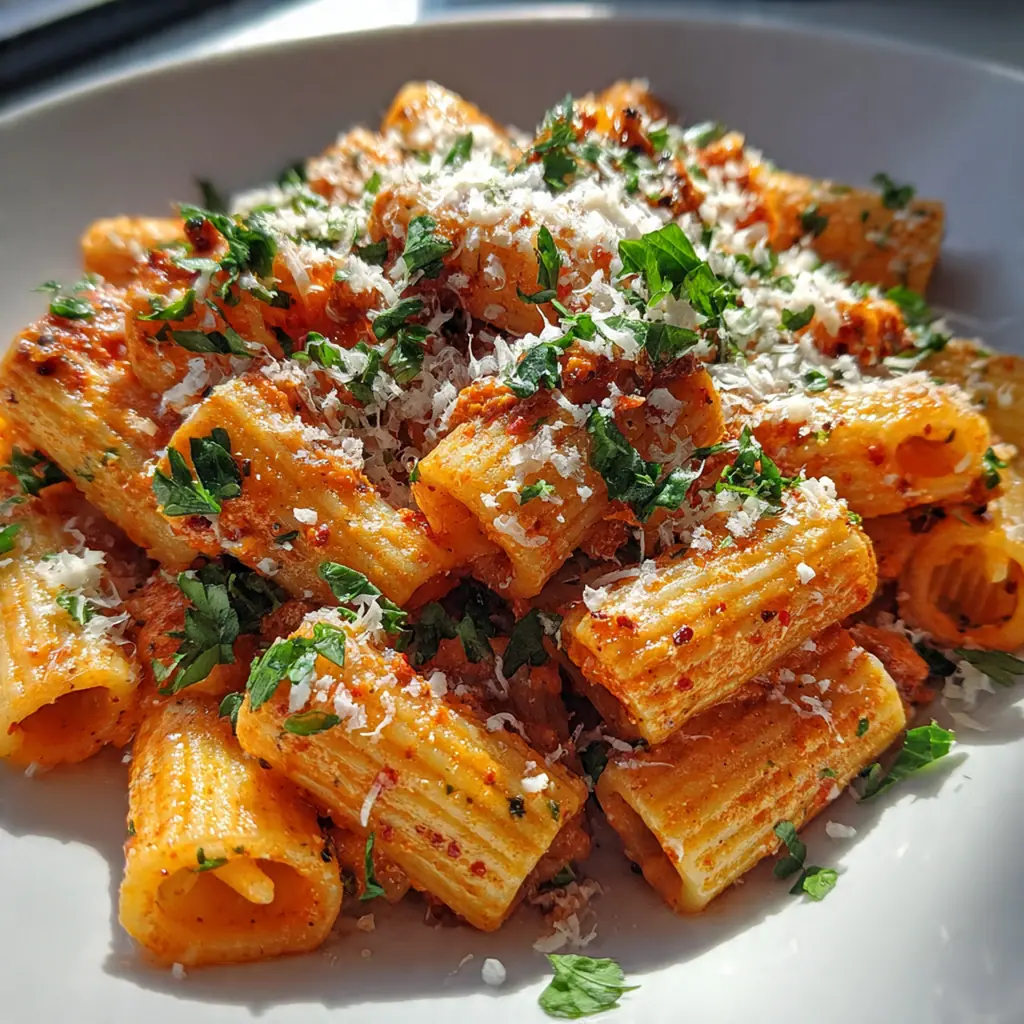
Classic red sauce pasta is the kind of meal you can always turn to when you need something both comforting and effortlessly good. It’s a cornerstone of Italian home cooking, where a few humble pantry staples transform into a vibrant, richly flavored sauce that clings to every noodle. This version gets its depth from slowly simmered garlic and onions, sweet tomatoes, and a hint of herbs. It’s the simple, satisfying dish that never fails to make a weeknight feel special.
Why You'll Love This Recipe
- You can pull it together with basic pantry ingredients any night
- The sauce simmers into a rich, deeply flavorful coating that tastes like it cooked for hours
- Leftovers are arguably even better after the flavors meld overnight
- It’s endlessly customizable with your favorite pasta shape or a pinch of spice
- This is the red sauce pasta recipe I make on repeat.
Ingredients You’ll Need
- Extra virgin olive oil: use a good quality oil here as it forms the flavor base of your sauce a fruity, peppery oil makes all the difference.
- Yellow onion: finely chopping it ensures it melts into the sauce seamlessly providing a sweet, savory foundation without any chunks.
- Garlic: fresh minced garlic is non-negotiable for that aromatic punch add it after the onion so it doesn’t burn and turn bitter.
- Tomato paste: cooking it for a minute caramelizes its sugars and deepens the entire sauce’s color and flavor profile.
- Crushed San Marzano tomatoes: the star of the show these Italian tomatoes are less acidic and naturally sweeter leading to a superior sauce.
- Dried oregano: its earthy, slightly peppery flavor is classic in red sauce and stands up well to the long simmer.
- Red pepper flakes: just a pinch adds a subtle warmth that builds in the background completely optional but highly recommended.
- Granulated sugar: a tiny bit balances any remaining acidity from the tomatoes and rounds out the sauce’s flavor perfectly.
- Kosher salt and black pepper: these are your essential flavor enhancers season in layers as you cook for the best result.
- Dried pasta: shapes like spaghetti or rigatoni have great sauce-carrying capacity and the texture holds up to tossing.
- Fresh basil leaves: adding them at the end preserves their bright, aromatic flavor and gorgeous green color.
- Freshly grated Parmesan cheese: for serving it adds a salty, umami-rich finish that makes the dish feel complete.
How to Make It
Sweat the Aromatics:
Heat your olive oil in a heavy-bottomed pot over medium heat. Add the chopped onion and let it cook gently, stirring now and then, until it turns soft and translucent. This step builds sweetness and forms the base layer of flavor for your entire red sauce pasta, so don’t rush it.
Bloom the Garlic and Paste:
Stir in the minced garlic and cook for just about a minute until it smells incredible. Immediately add the tomato paste and stir it into the onion mixture. Let it cook for another minute to deepen its color and mellow its raw taste, which adds a ton of complexity.
Build and Simmer the Sauce:
Pour in the can of crushed tomatoes, then add the dried oregano, red pepper flakes, sugar, salt, and black pepper. Give everything a good stir to combine. Bring it to a gentle bubble, then reduce the heat to low and partially cover the pot. Let it simmer quietly for 20 to 25 minutes, stirring occasionally, until it thickens slightly and the flavors marry.
Cook the Pasta:
While the sauce simmers, bring a large pot of generously salted water to a rolling boil. Add your pasta and cook it according to the package directions until it’s al dente, meaning it still has a slight bite. Before you drain it, be sure to reserve about a cup of that starchy cooking water – it’s liquid gold for finishing your dish.
Finish with Fresh Herbs:
Once your sauce has thickened to your liking, take the pot off the heat. Stir in the torn fresh basil leaves. The residual heat will wilt them perfectly, releasing their aroma without turning them black or losing their fresh flavor.
Combine and Toss:
Add the drained pasta directly into the pot with your red sauce. Toss everything together over low heat for a minute until every strand is beautifully coated. If the sauce seems a bit thick, add a splash of the reserved pasta water, a little at a time, to loosen it and help it cling to the pasta.
Serve Immediately:
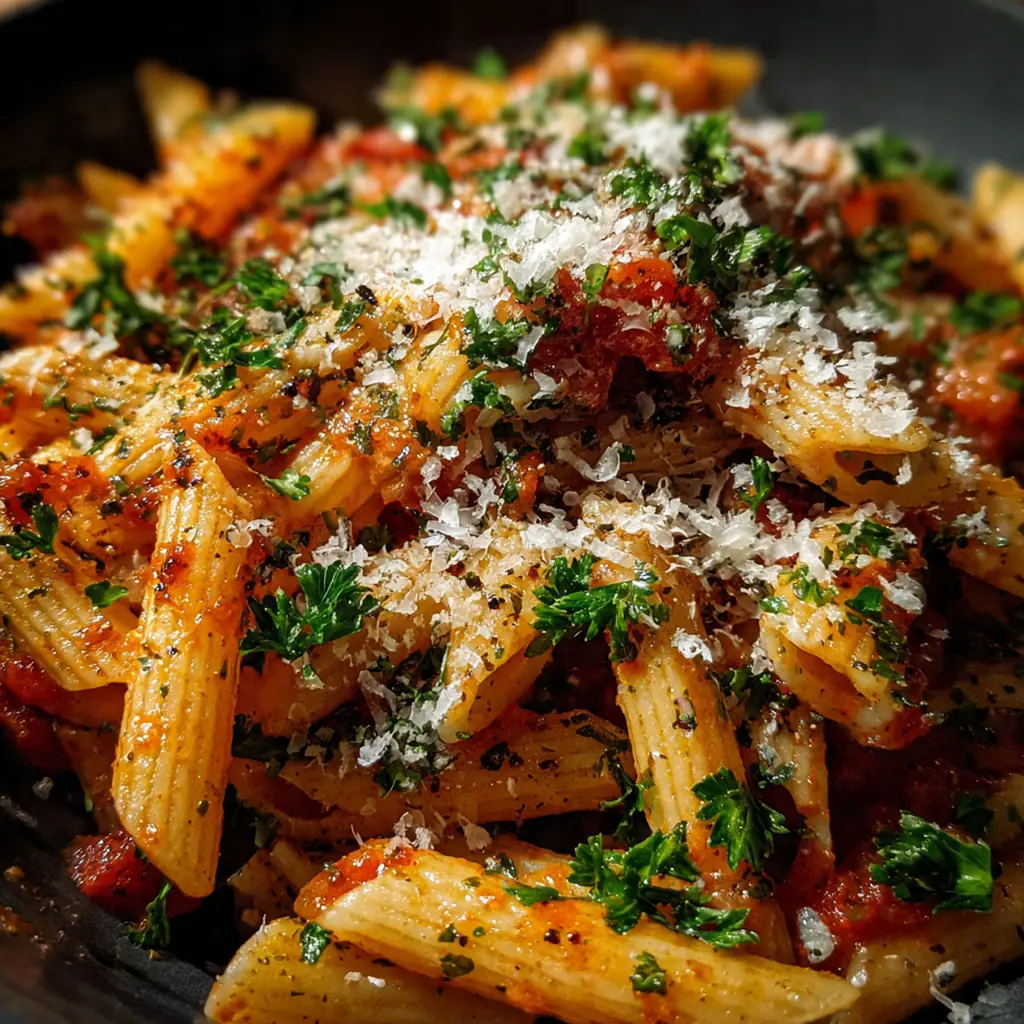
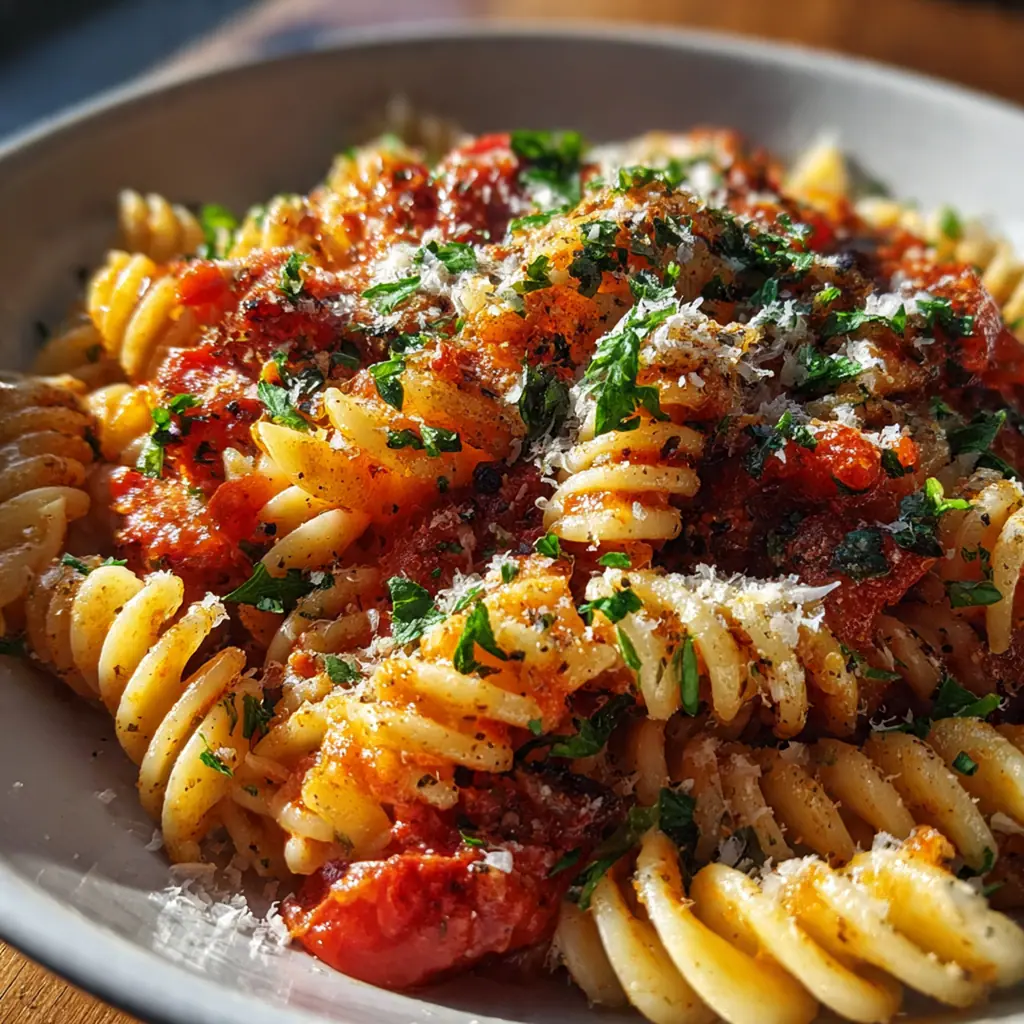
Divide the red sauce pasta among warm bowls. Top each serving with a generous sprinkle of freshly grated Parmesan cheese and an optional extra drizzle of your best olive oil. A final garnish of fresh basil makes it look as good as it tastes, so dig in right away.
You Must Know
- San Marzano tomatoes make a noticeably sweeter, less acidic sauce
- Never pour your pasta water down the drain without saving some first
- The sauce thickens as it simmers so don’t worry if it looks thin at first
- Fresh basil should always go in at the end
- I taste and adjust the salt just before serving.
Storage Tips
Store any leftover red sauce pasta in an airtight container in the fridge for up to three days. The sauce alone will keep for about five days refrigerated or up to three months frozen in a sealed container or freezer bag. When you’re ready to reheat, do it gently on the stovetop with a splash of water, broth, or even a little olive oil to loosen it back up. The pasta will absorb liquid as it sits, so you’ll almost always need to add a bit when reheating.
Ingredient Substitutions
If you can’t find San Marzano tomatoes, any good-quality canned crushed tomatoes will work perfectly fine. Swap the dried oregano for an equal amount of dried basil or Italian seasoning if that’s what you have on hand. For the fresh basil, a tablespoon of chopped fresh parsley added at the end can provide a different but still lovely herbal note. If you’re out of granulated sugar, a small pinch will do the same trick. Gluten-free pasta works beautifully here for a gluten-free version, and simply omitting the Parmesan makes it dairy-free.
Serving Suggestions
This red sauce pasta is a complete meal on its own, but I love it with a side of garlic bread to swipe up every last bit of sauce and a simple arugula salad dressed with lemon juice and olive oil for a peppery, fresh contrast. A glass of medium-bodied red wine like Chianti or Sangiovese pairs wonderfully. For a heartier spread, add some grilled Italian sausage or meatballs right into the sauce during the last few minutes of simmering.
Cultural Context
This style of simple, tomato-based pasta sauce, often called ‘sugo di pomodoro,’ is a staple in homes across Italy, especially in the south where tomatoes grow in abundance. It’s less about complex technique and more about honoring a few stellar ingredients – ripe tomatoes, good olive oil, and fresh herbs. The practice of finishing the pasta in the sauce with a bit of starchy water, known as ‘mantecare,’ is a classic Italian method that ensures each bite is perfectly sauced and cohesive. It’s the essence of la cucina povera, or ‘poor kitchen,’ turning humble items into something truly magnificent.
Pro Tips
- Let the tomato paste cook until it darkens a shade for deeper flavor
- Always reserve that starchy pasta water for a silky, restaurant-quality finish
- Simmer the sauce uncovered at the end if you want it extra thick
- Add fresh basil off the heat to keep its color and aroma bright
- This sauce freezes incredibly well for future quick meals.
Frequently Asked Questions
For this classic sauce, choose a shape with good surface area to hold the sauce, like rigatoni, penne, or bucatini. Long pasta like spaghetti or linguine also works beautifully, as the sauce clings perfectly to each strand. The key is to cook it al dente so it has a slight bite.
Absolutely! The sauce actually tastes better the next day. Let it cool completely, then store it in an airtight container in the fridge for up to 4 days. You can also freeze it for up to 3 months. Just reheat gently and toss with freshly cooked pasta when you’re ready to serve.
If you can’t find San Marzano tomatoes, use the best-quality canned crushed tomatoes you can find. The sugar in the recipe helps balance the acidity of standard tomatoes. For a chunkier texture, you could also use high-quality canned whole tomatoes and crush them by hand.
The sauce is ready when it has thickened and darkened slightly, which takes about 20-25 minutes of simmering. You’ll know it’s done when you can drag a spoon across the bottom of the pot and the path holds for a couple of seconds before the sauce fills it back in.
This dish is a complete meal on its own! For a classic Italian touch, serve it with a sprinkle of freshly grated Parmesan cheese, a side of garlic bread to mop up the sauce, and a simple green salad with a tangy vinaigrette to cut through the richness.