

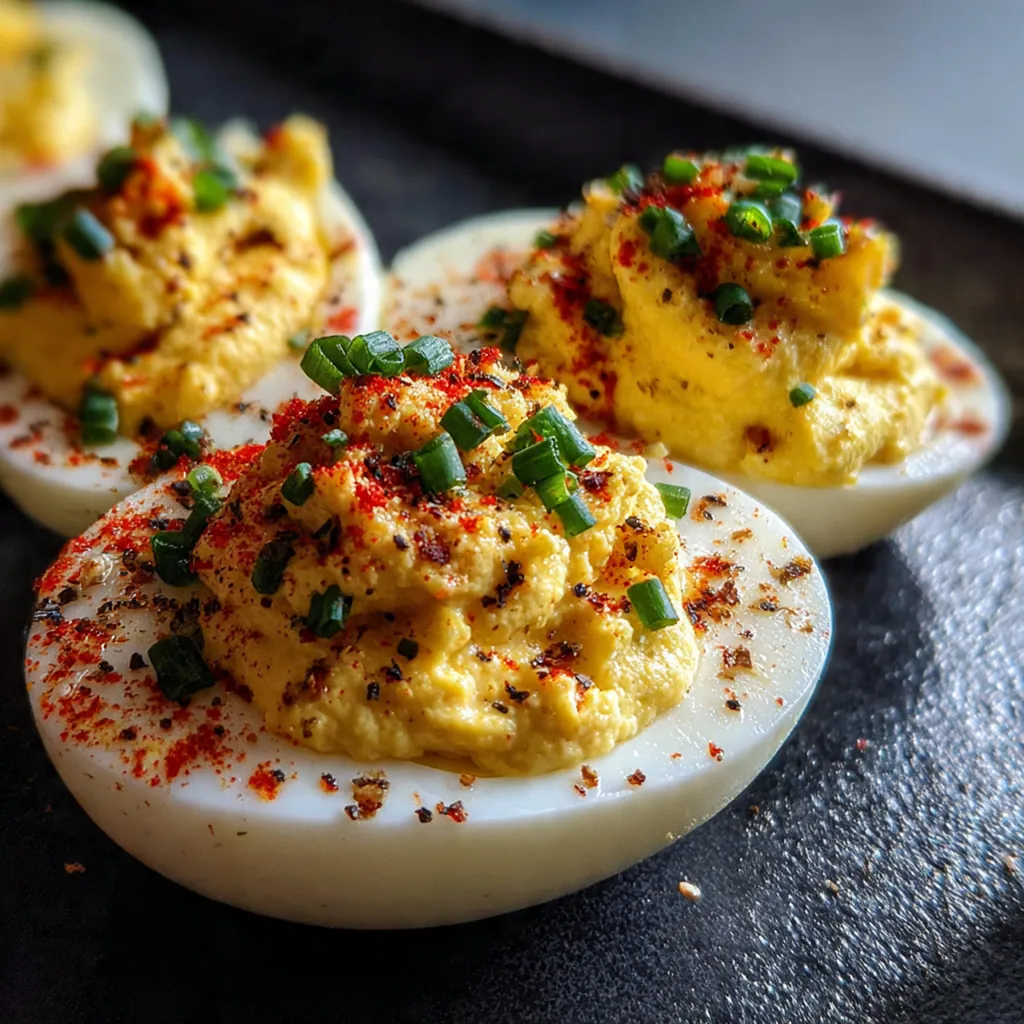
My go-to classic devilled eggs are the one recipe I am asked for more than any other. This is my absolute favorite method for perfect, creamy devilled eggs that turn out great every single time. The filling strikes a flawless balance of tangy, savory, and rich, making these the star of any potluck or holiday gathering. Rooted in classic American cuisine, they are a truly timeless and beloved appetizer that feels both nostalgic and special. This foolproof guide ensures you’ll get them right every time.
Why You'll Love This Recipe
- The eggs are cooked perfectly with no green ring
- The filling is incredibly smooth and creamy
- They are the ultimate make-ahead party appetizer
- A crowd-pleasing classic everyone loves
- I’ve made these for years and they always vanish first
Ingredients You’ll Need
- Large eggs: The foundation of the dish. Using eggs that are a week or two old will make peeling them significantly easier after boiling.
- Good-quality mayonnaise: This creates the ultra-creamy texture. Use a brand you love the flavor of, as it’s the rich backbone of the filling.
- Dijon mustard: Provides a sharp, tangy counterpoint to the rich yolks and mayonnaise. It adds a classic, savory depth you can’t skip.
- Apple cider vinegar: A splash of acidity brightens up all the other flavors. It cuts through the richness and makes the filling pop.
- Worcestershire sauce: This adds a secret, savory, umami note that makes people wonder what your magic ingredient is. It’s a small amount with big impact.
- Fine sea salt: Essential for seasoning the filling. It enhances all the individual flavors and brings the whole mixture together.
- Freshly ground black pepper: Adds a tiny bit of warmth and spice. Freshly grinding it provides the best, most aromatic flavor.
- Smoked paprika: Not just for color, this optional garnish adds a lovely, subtle smokiness that complements the creamy filling beautifully.
- Fresh chives: These add a delicate, fresh oniony bite and a pop of green color. They are the perfect fresh counterpoint to the rich filling.
- Hot sauce: A few optional dashes are perfect for those who like a little kick. It adds a gentle warmth that makes these devilled eggs stand out.
How to Make It
Prepare and Boil the Eggs:
Place your large eggs in a single layer at the bottom of a large pot. It’s important they aren’t crowded so they can cook evenly. Cover them with cold water by at least one inch. Bring the water to a full rolling boil over high heat. The moment it reaches a strong boil, immediately turn off the heat, cover the pot with a lid, and let the eggs sit undisturbed for exactly 12 minutes. This gentle cooking method is the secret to perfectly set whites and creamy, bright yellow yolks without any dreaded green rings.
Create the Ice Bath:
While the eggs are sitting in the hot water, you’ll prepare an ice bath. Fill a large bowl with a generous amount of ice and then add cold water. This super-chilled water is crucial for the next step. Don’t skip this, as it’s what makes the eggs easy to peel and stops the cooking process right in its tracks, ensuring a perfect texture. You want the water to be shockingly cold.
Cool and Peel the Eggs:
After the 12 minutes are up, use a slotted spoon to carefully transfer the cooked eggs from the hot water directly into the ice bath. Let them cool completely for at least 10 minutes, though a little longer is fine. Once chilled, gently tap an egg on the counter to crack the shell all over, then peel it under cool running water. The water helps get underneath the membrane, allowing the shell to slip off easily. Pat the peeled eggs dry with a paper towel.
Halve and Separate the Yolks:
Slice each perfectly peeled egg in half lengthwise using a sharp knife. Carefully scoop out the cooked yolks and place them into a medium-sized mixing bowl. You can use a small spoon for this to avoid breaking the delicate egg whites. Arrange the empty egg white halves neatly on your serving platter while you prepare the filling. This is a great time to choose your prettiest platter for your devilled eggs.
Mash the Yolks Thoroughly:
Take a fork and mash the egg yolks until they are a very fine, crumbly texture. You want to make sure there are no large lumps left at all. Getting the yolks as smooth as possible at this stage is the key to an incredibly creamy final filling. For an even smoother texture, you can push the yolks through a fine-mesh sieve, but a fork works great too.
Mix the Creamy Filling:
Now it’s time to build the flavor. Add the good-quality mayonnaise, Dijon mustard, apple cider vinegar, Worcestershire sauce, fine sea salt, and freshly ground black pepper to the mashed yolks. Use a flexible spatula or a whisk to stir everything together until the mixture is completely smooth and creamy. Scrape down the sides of the bowl to ensure everything is well combined. This is where the magic happens for classic devilled eggs.
Taste and Fill the Eggs:
This is your chance to perfect the flavor. Taste the yolk mixture and adjust the seasonings if needed. If you like a little bit of heat, now is the time to stir in a few dashes of your favorite hot sauce. Once you’re happy with the taste, carefully spoon or pipe the yolk mixture back into the egg white halves. For a more decorative, polished look, I recommend using a piping bag fitted with a star tip. A simple zip-top bag with the corner snipped off also works wonders.
Final Garnish and Chill:
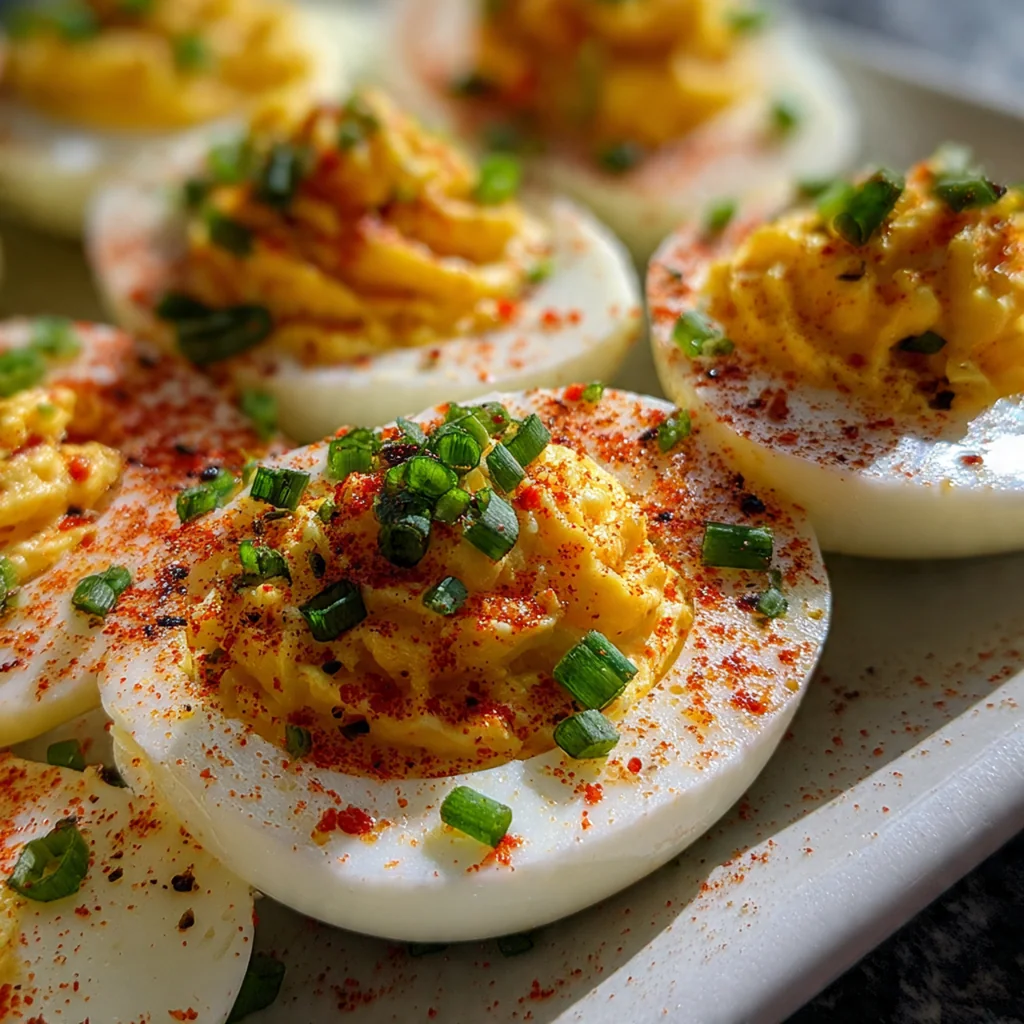
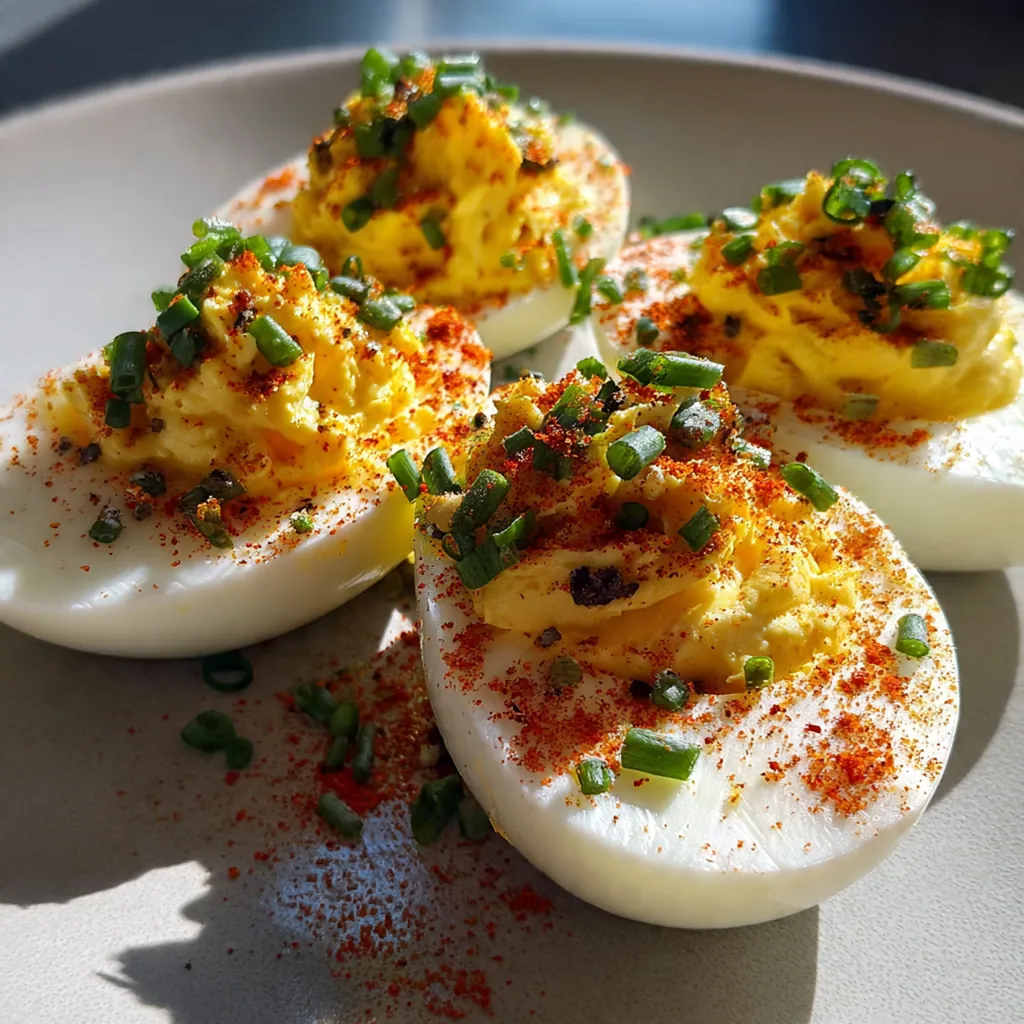
To finish your beautiful devilled eggs, give them a light sprinkle of smoked paprika and some finely chopped fresh chives. This not only adds flavor and texture but also makes them look professionally made. Place the finished devilled eggs in the refrigerator to chill for at least 20 minutes before serving. This short chill time allows all the flavors in the filling to meld together perfectly.
You Must Know
- The 12-minute off-heat cooking time is foolproof
- An ice bath is the secret to easy-peel eggs
- Taste the filling before you pipe it in
- Don’t skip the chill time before you serve them
Storage Tips
You can store your finished devilled eggs in a single layer in an airtight container in the refrigerator for up to two days. For the best results, especially if you’re making them further ahead for a party, I recommend storing the components separately. Keep the cooked egg white halves in one airtight container and the prepared yolk filling in another. You can then assemble the devilled eggs just before serving, which keeps them looking and tasting their absolute freshest. This little trick is a lifesaver for holiday prep.
Ingredient Substitutions
While this recipe is a classic, you can make small tweaks. If you don’t have apple cider vinegar, white wine vinegar or even a squeeze of fresh lemon juice will provide that necessary acidity. For the mustard, you can swap Dijon for a spicy brown mustard or a whole grain mustard for a different texture and kick. Instead of chives, finely snipped dill or fresh parsley also work beautifully as a garnish. If you want to change up the heat, a pinch of cayenne pepper in the filling is a great alternative to hot sauce.
Serving Suggestions
Serve these classic devilled eggs chilled on a large platter as the perfect appetizer for any occasion, from Easter brunch and Thanksgiving dinner to casual summer barbecues. They are a welcome sight at any potluck. For a more elaborate presentation, make them part of a vintage-style relish tray. Arrange the devilled eggs alongside an assortment of crisp pickles, various olives, celery sticks, and cherry tomatoes. They provide a creamy, satisfying bite that complements the briny and fresh components of the tray perfectly.
Cultural Context
Devilled eggs have been a cornerstone of American social gatherings for generations, solidifying their status as the ultimate potluck and party food. Their popularity surged in the post-war era, becoming a fixture at church socials, family picnics, and holiday meals. The name ‘devilled’ dates back to the 18th century and simply referred to making a food spicy or zesty. While countless modern variations exist, this recipe celebrates the timeless, comforting appeal of the classic version. It’s the simple, perfectly balanced devilled egg that everyone secretly hopes to find on the appetizer table, a taste of pure nostalgia and simple, well-made food.
Pro Tips
- Press yolks through a sieve for the smoothest filling
- Slightly older eggs are much easier to peel
- A zip-top bag with a corner cut is a great piping bag
- Don’t be shy with seasoning the yolk mixture
- Transport them in a muffin tin to keep them safe
Frequently Asked Questions
For the best devilled eggs, we recommend a full-fat, good-quality mayonnaise like Duke’s or Hellmann’s. A high-quality mayo creates an ultra-creamy, rich filling without being oily. It provides the perfect neutral base that allows the tangy Dijon mustard and savory Worcestershire sauce to shine through, giving your devilled eggs their classic, beloved flavor.
Absolutely! You can prepare the components for your devilled eggs up to two days ahead. We recommend storing the cooked egg white halves in an airtight container in the fridge. Keep the prepared yolk filling in a separate airtight container or a piping bag, ready to go. Just fill the whites right before you’re ready to serve for the freshest taste and appearance.
If you don’t have Dijon mustard, you can substitute it with an equal amount of yellow mustard for a milder tang. For a bit more spice, use a teaspoon of spicy brown mustard. In a pinch, a half-teaspoon of dry mustard powder mixed with a little water to form a paste will also work well in this devilled eggs preparation to provide that essential zesty flavor.
Your eggs are perfectly hard-boiled when the yolks are firm and pale yellow with no green ring. A great method is to place eggs in a single layer in a pot, cover with cold water by one inch, and bring to a rolling boil. Immediately turn off the heat, cover the pot, and let them sit for 12-15 minutes. This ensures the yolks are cooked through, making them perfect for creamy devilled eggs.
As a classic American appetizer, devilled eggs are fantastic on a platter alongside other party favorites. Serve them with a relish tray of pickles, olives, and celery sticks. They also pair wonderfully with a simple cheese and charcuterie board, shrimp cocktail, or crispy crackers. They’re the perfect kickoff to a holiday meal or a star player at any potluck or barbecue.