

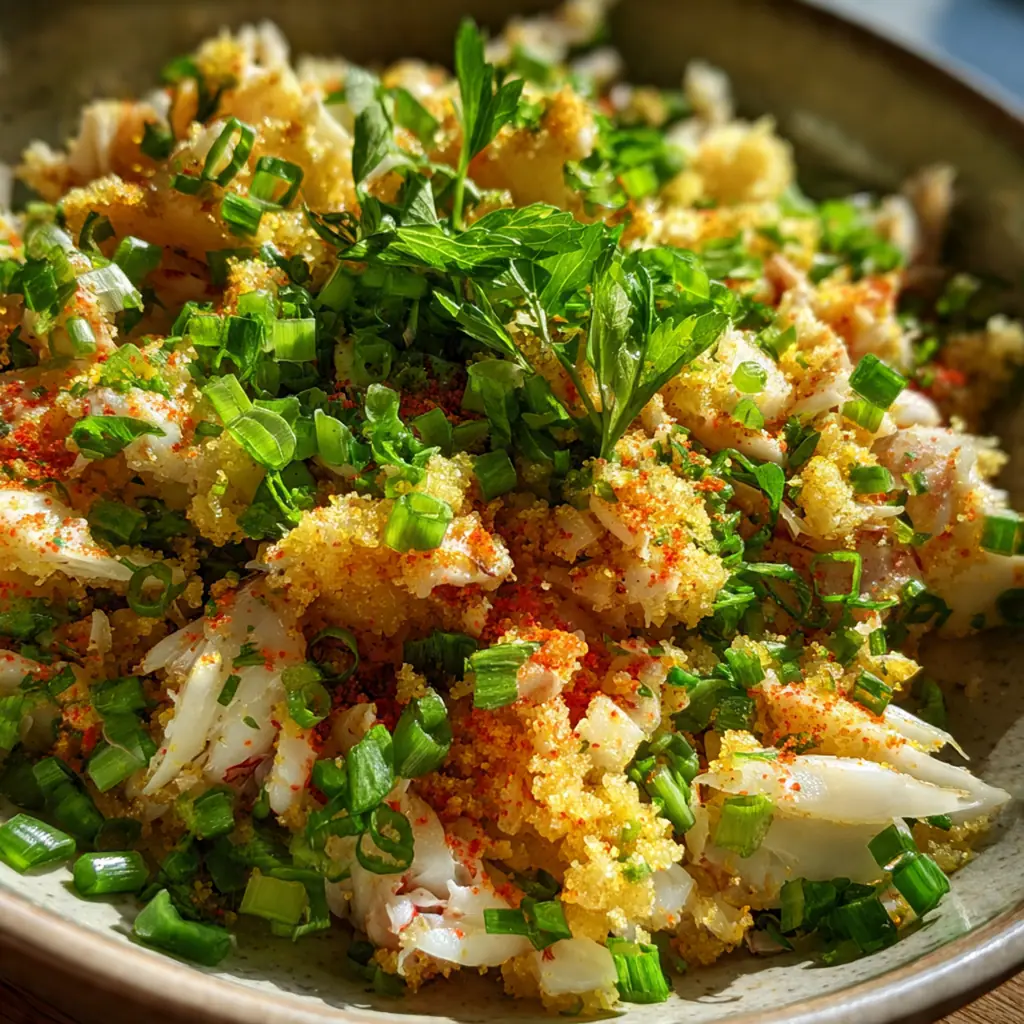
If you’re looking for a showstopping dinner that highlights fresh crab meat in the most authentic way, you’ve found it. These classic Maryland crab cakes are a true celebration of the Chesapeake Bay, where sweet lump crab is the undisputed star. I’ve been making this recipe for years, and it never fails to impress with its perfect balance of crispy crust and tender, flavorful interior. It’s the kind of simple, honest American dish that lets incredible ingredients speak for themselves.
Why You'll Love This Recipe
- You get to showcase sweet lump crab meat in every single bite
- The crispy golden crust gives way to a perfectly tender interior
- You can go from fridge to plate in under an hour
- That authentic Old Bay flavor transports you straight to the Maryland shore
- I promise they’ll disappear faster than you can make them
Ingredients You’ll Need
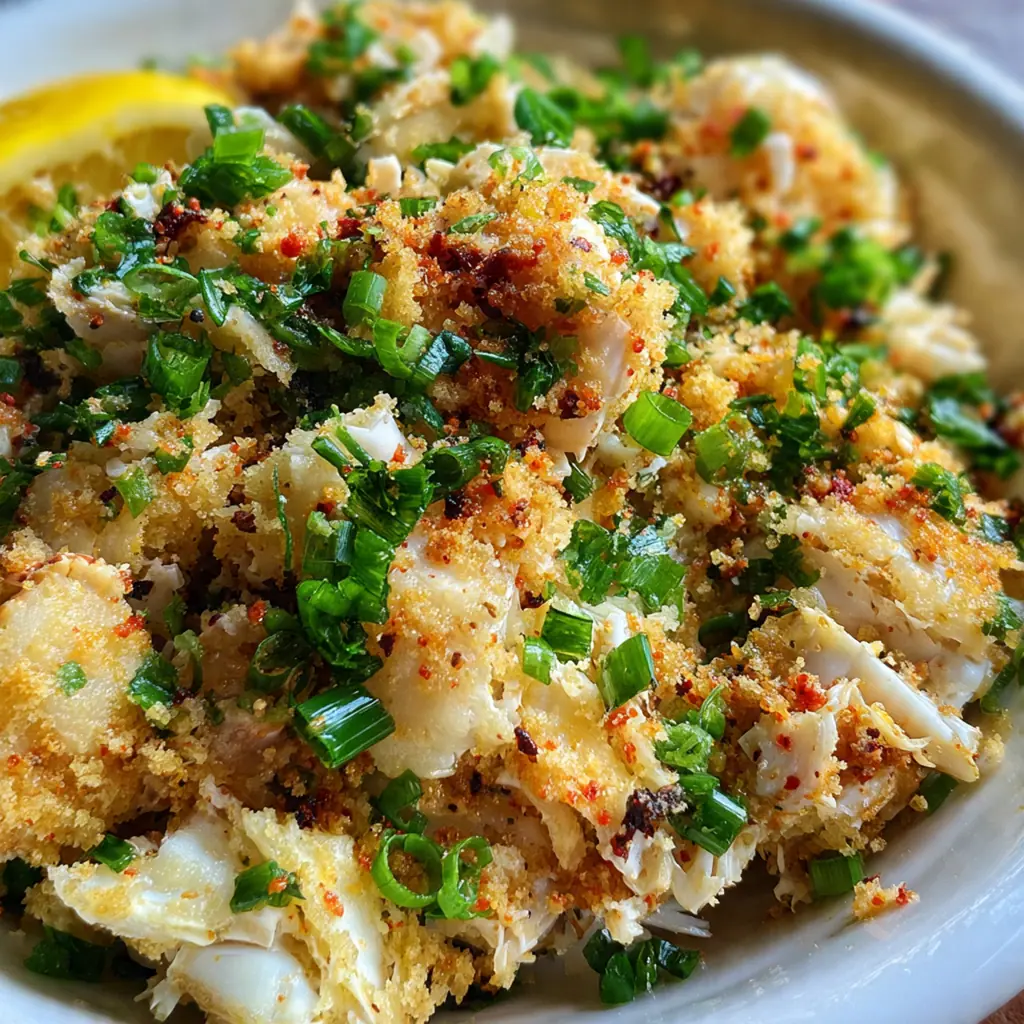
- lump crab meat: This is the star of the show, so use the best you can find. Look for fresh jumbo lump crab meat that’s packed with sweet, delicate flavor and large, impressive pieces.
- mayonnaise: It acts as the primary binder, adding a touch of creaminess without overpowering the crab. A high-quality, full-fat mayonnaise works best here for flavor and texture.
- Dijon mustard: Adds a subtle tang and depth that complements the sweetness of the crab. Its flavor is more complex than yellow mustard, which is why it’s the classic choice.
- Worcestershire sauce: This gives the cakes a savory, umami backbone that makes the flavor pop. Just a teaspoon is enough to add complexity without being identifiable.
- Old Bay seasoning: This iconic spice blend is non-negotiable for true Maryland flavor. It’s a mix of celery salt, paprika, and other warm spices that’s synonymous with crab.
- large egg: The beaten egg helps bind everything together so your crab cakes hold their shape while frying. Make sure it’s beaten first for even distribution.
- panko breadcrumbs: These Japanese-style breadcrumbs are lighter and crispier than regular ones. They provide structure without making the cakes feel dense or bready.
- fresh parsley: It adds a pop of color and a clean, fresh herbal note that brightens the whole dish. Always use fresh, not dried, for the best result.
- fresh lemon juice: The acidity cuts through the richness and heightens the crab’s natural sweetness. Freshly squeezed juice makes all the difference.
- unsalted butter or vegetable oil: For frying, butter gives incredible flavor, while oil offers a higher smoke point. Choose based on whether you want richness or ease.
- lemon wedges: Serving with lemon wedges is a classic move. A quick squeeze of bright juice right before eating lifts every flavor.
- tartar sauce: A cool, creamy dipping sauce is the perfect partner to the crispy, savory cakes. It adds a tangy contrast that’s just right.
How to Make It
Mix the Wet Ingredients:
Grab your large bowl and whisk together the mayonnaise, Dijon, Worcestershire, Old Bay, egg, lemon juice, salt, and pepper. You want this base completely smooth so every bite of the finished crab cake is evenly seasoned.
Fold in the Crab and Herbs:
This is the most important step for texture. Use a spatula to gently fold the crab meat and chopped parsley into your wet mixture. Be really careful not to break up those beautiful lumps of crab meat.
Incorporate the Breadcrumbs:
Sprinkle the panko breadcrumbs evenly over the top of the crab mixture. Then, fold everything together just until the crumbs are distributed. The mixture should hold together when pressed but still be loose.
Form the Patties:
Divide the mixture into four equal portions. With gentle hands, shape each portion into a patty about a half-inch thick and three inches wide. Place them on a parchment-lined plate or sheet tray.
Chill to Firm Up:
Cover the patties with plastic wrap and let them chill in the fridge for at least 30 minutes. This resting time is crucial for them to hold their shape perfectly in the hot skillet.
Heat Your Skillet:
Place your large skillet over medium-high heat and add the butter or oil. Let it get nice and hot until the butter melts and shimmers or the oil thins out and flows easily.
Pan Fry to Golden Brown:
Carefully place your chilled crab cakes in the hot skillet. Let them cook undisturbed for 4 to 5 minutes per side until they develop a deep, crispy, golden-brown crust.
Drain and Rest:
Once cooked, transfer the crab cakes to a plate lined with paper towels to drain any excess grease. Let them rest for just a minute or two before serving so they set up.
Garnish and Serve:
Plate your gorgeous crab cakes immediately. Serve them with lemon wedges and tartar sauce on the side, and sprinkle on a little extra fresh parsley for a vibrant finish.
You Must Know
- Fresh lump crab meat is the only way to go
- Chilling the formed cakes is non-negotiable for structure
- A hot skillet is your best friend for a perfect crust
- They are best enjoyed the moment they leave the pan
- These little tips make all the difference
Storage Tips
If you somehow have leftovers, let the crab cakes cool completely on the counter first. Then, store them in a single layer in an airtight container in the fridge; they’ll keep for up to two days. When you’re ready to eat, reheat them in a skillet over medium heat to crisp up the exterior again – it usually takes about 3 minutes per side. I never recommend the microwave because it turns the beautiful crispy crust soggy, which just isn’t the same experience at all.
Ingredient Substitutions
If you can’t find fresh lump crab, high-quality pasteurized crab in a tub is your next best bet, but avoid the canned variety in water. For a gluten-free version, simply swap the panko for an equal amount of gluten-free breadcrumbs; they work just as well for binding. Use avocado oil or another neutral high-heat oil if you don’t have vegetable oil, and you can swap the fresh parsley for chives or even a teaspoon of Old Bay for more spice. If you’re out of Dijon, a good yellow mustard will do in a pinch, though the flavor profile will be a bit different.
Serving Suggestions
For a classic Chesapeake Bay spread, I love pairing these crab cakes with a tangy homemade coleslaw and some crispy French fries or hushpuppies. They’re also fantastic on top of a simple green salad with a lemon vinaigrette or alongside some roasted asparagus or zucchini for a lighter meal. Don’t forget the classic accompaniments – a big dollop of tartar sauce, extra lemon wedges, and maybe even a dash of hot sauce are all you need to make the plate complete.
Cultural Context
This recipe is a direct line to the heart of Maryland’s culinary identity, where the blue crab reigns supreme. The tradition of crab cakes along the Chesapeake Bay is generations old, born from watermen bringing in their daily catch. What defines a true Maryland-style cake is the minimalist approach: just enough binder to hold it together, so the sweet crab meat remains the undisputed star. The mandatory use of Old Bay seasoning, a Baltimore-born spice blend, seals its regional authenticity. It’s less about fancy technique and more about celebrating a local treasure with respect and simplicity.
Pro Tips
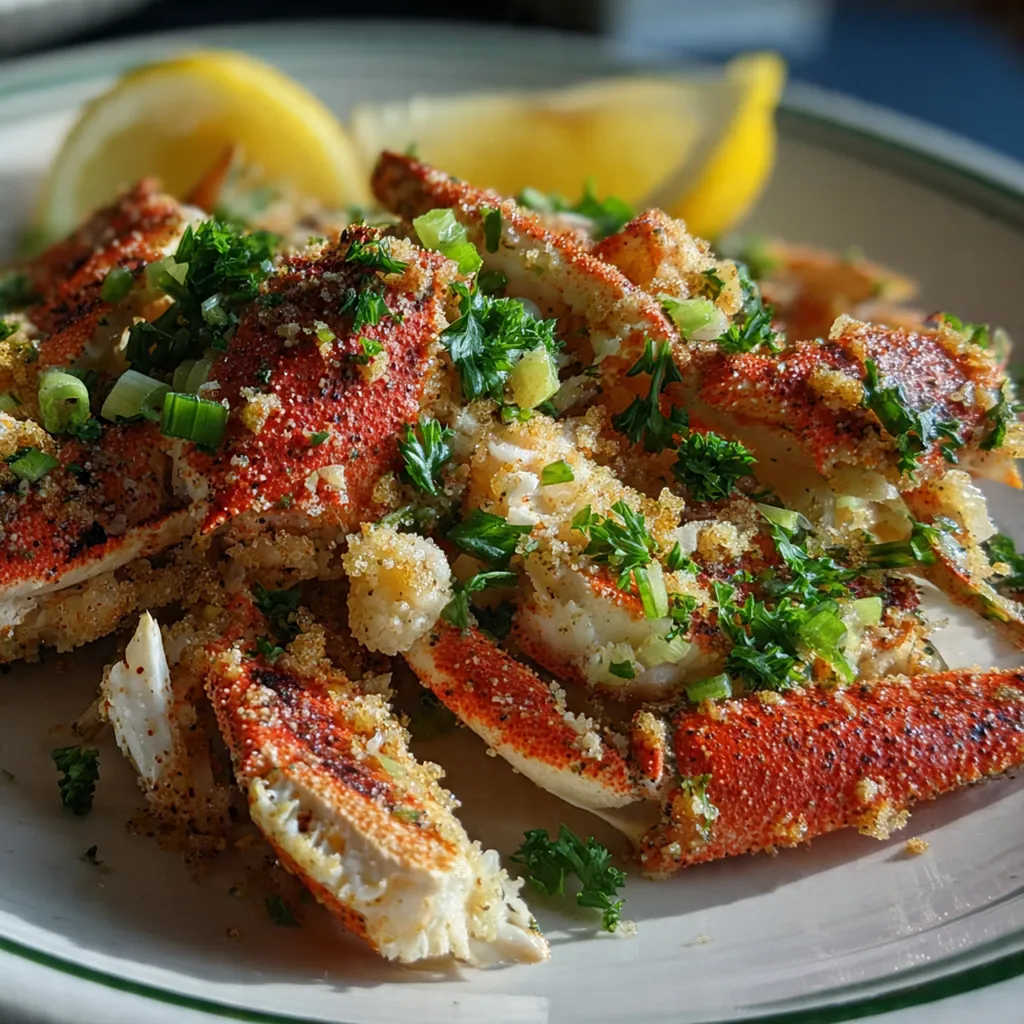
- Gently pick through the crab meat for any remaining shell fragments
- Refrigerate the formed patties for at least 30 minutes without skipping
- Use a thin metal spatula for easy flipping in the skillet
- Don’t overcrowd the pan; cook in batches if needed
- I always taste a tiny bit of the mix for seasoning before forming
Frequently Asked Questions
For the best texture and flavor, use high-quality fresh or pasteurized lump crab meat. Lump crab meat provides those signature sweet, tender chunks that make these cakes special. Avoid using shredded or claw meat, as the texture won’t be as delicate and impressive.
Yes, you can shape the cakes, place them on a parchment-lined baking sheet, and refrigerate for up to 8 hours before cooking. This can actually help them firm up. For longer storage, freeze the shaped cakes on the sheet until solid, then transfer to a freezer bag for up to a month. Cook from frozen, adding a few extra minutes to the frying time.
If you don’t have Old Bay, you can make a quick blend using paprika, celery salt, black pepper, and a pinch of cayenne or dry mustard. The goal is that distinctive savory, slightly peppery flavor that complements the sweet crab without overpowering it.
Cook the cakes over medium heat for about 4-5 minutes per side. They’re ready when they’re a deep golden brown and feel firm to the touch. Be careful when flipping—use a wide spatula and turn them gently to prevent breaking.
They pair wonderfully with classic American sides like a crisp coleslaw, french fries, or roasted potatoes. For a lighter meal, serve with a simple green salad dressed with lemon vinaigrette and some corn on the cob. Don’t forget lemon wedges and tartar sauce or remoulade for serving.