

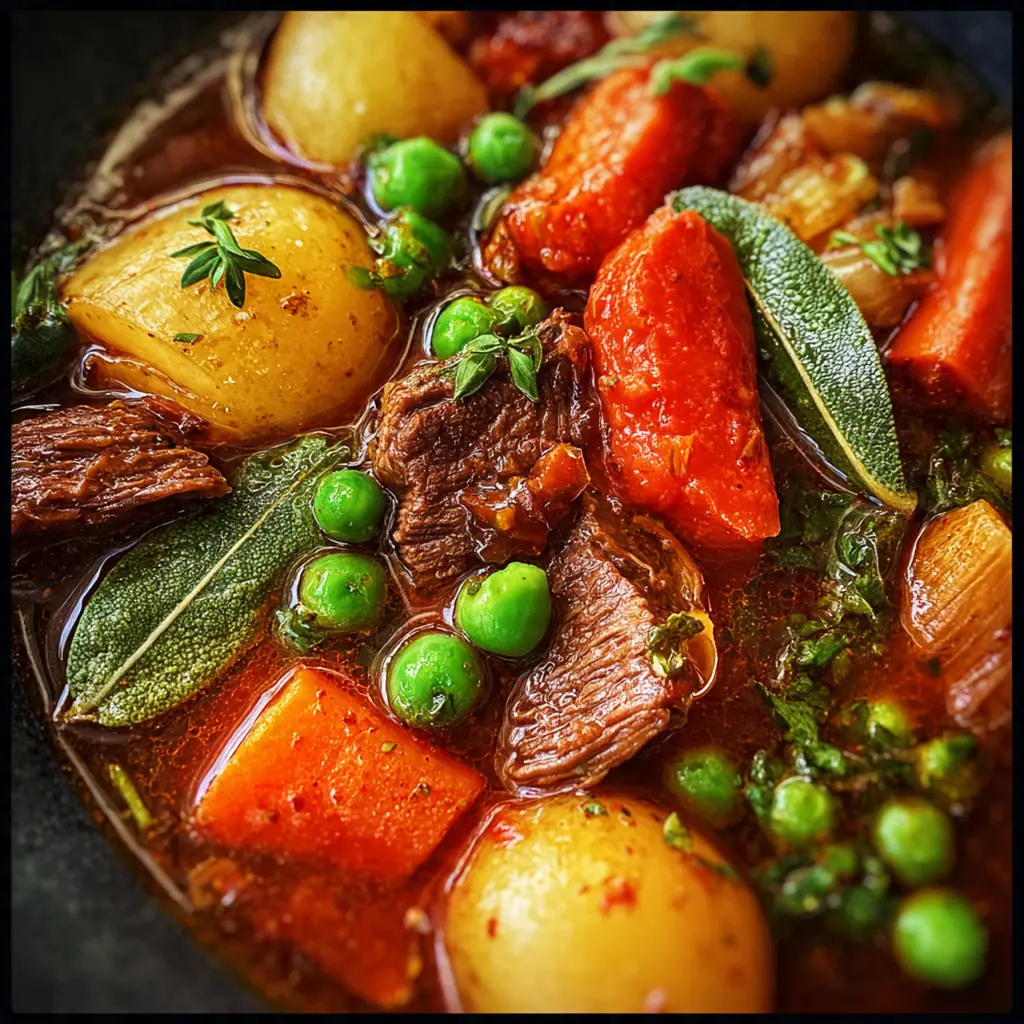
A classic beef casserole is the ultimate comfort food for a reason, offering deep flavor and tender meat in one simple pot. This American-style dish builds on the tradition of slow-braised stews, transforming an affordable chuck roast into something truly special with a rich red wine sauce. It’s the kind of meal that fills your kitchen with an incredible aroma and promises a satisfying dinner with minimal cleanup. You’ll love how the long, gentle bake makes the beef fork-tender and lets all the savory flavors come together perfectly.
Why You'll Love This Recipe
- Deep savory flavors develop from hours of slow baking
- Uses an affordable cut of beef that becomes incredibly tender
- It’s packed with vegetables for a complete meal in one dish
- Perfect for make-ahead meals and tastes even better as leftovers
- It’s a timeless recipe that feels special without being complicated
Ingredients You’ll Need
- Beef chuck roast: This cut has fantastic marbling that breaks down during the long cook, creating melt-in-your-mouth tender cubes perfect for your beef casserole.
- All-purpose flour: Coating the beef creates a light crust that helps with browning and naturally thickens the sauce as it braises.
- Kosher salt: Its coarse texture makes it easy to control seasoning and it draws out moisture from the beef for a better sear.
- Freshly ground black pepper: Freshly cracked pepper gives a brighter, more aromatic heat compared to pre-ground, adding a crucial layer of flavor.
- Olive oil: A neutral oil with a high smoke point is ideal for searing the beef without burning or adding a strong taste.
- Yellow onion: Chopped and sautéed, it becomes the sweet, savory foundation that builds the base of your casserole’s flavor.
- Carrots: Peeled and cut into rounds, they add natural sweetness and hold their shape beautifully during the long oven time.
- Celery: Its subtle herbal flavor is part of the classic mirepoix base, contributing essential depth to the overall sauce.
- Garlic: Minced fresh garlic added after the vegetables cooks just briefly to release its fragrance without burning.
- Tomato paste: This concentrated paste adds a rich umami backbone and helps create a beautifully colored, glossy sauce.
- Dry red wine: A robust wine like Cabernet Sauvignon deglazes the pot and adds complex acidity and fruit notes to the braising liquid.
- Low-sodium beef broth: Using low-sodium lets you control the final salt level of your beef casserole, ensuring it’s perfectly seasoned.
- Fresh thyme: The woody sprigs infuse the sauce with an herby, slightly floral note that pairs perfectly with beef.
- Bay leaf: This single leaf adds a subtle, almost minty depth that’s essential in classic braised dishes.
- Frozen pearl onions: They’re a convenient timesaver, adding sweet onion flavor without the tedious work of peeling fresh ones.
- Frozen peas: Stirred in at the end, they provide a pop of sweet color and freshness to balance the rich sauce.
- Fresh parsley: A sprinkle of chopped parsley as a garnish adds a fresh, clean finish and makes the colors pop.
How to Make It
Preheat and Prep:
Start by heating your oven to 325°F. This lower temperature is key for the long, gentle braise that makes the beef incredibly tender without toughening it.
Coat the Beef:
In a large bowl, toss the beef cubes with the flour, salt, and pepper. The flour coating will help create a beautiful crust and thicken the sauce later on.
Sear the Beef:
Heat oil in your Dutch oven over medium-high heat. Brown the beef in batches without crowding the pot; this ensures each piece gets a deep, flavorful sear. Transfer the browned meat to a plate.
Sauté the Vegetables:
Reduce the heat to medium and add the onion, carrots, and celery to the same pot. You’re softening them and scraping up all those delicious browned bits from the seared beef.
Build the Sauce Base:
Stir in the garlic and tomato paste, cooking just until fragrant. Then pour in the red wine, scraping the pot bottom to deglaze it completely. Let the wine simmer and reduce by half to cook off the alcohol.
Braise to Perfection:
Add the beef broth, thyme, and bay leaf, then return the beef and its juices to the pot. Bring it to a simmer, cover, and transfer it to the oven. Let it bake quietly for nearly two hours until the beef is fork-tender.
Finish with Frozen Veggies:
Carefully remove the hot pot from the oven. Stir in the frozen pearl onions and peas, then cover and let the residual heat warm them through. This keeps their texture and bright color perfect.
Final Seasoning and Serve:
Fish out the thyme stems and bay leaf. Give the sauce a taste and add a pinch more salt or pepper if it needs it. Then, ladle your hearty beef casserole into bowls and garnish with fresh parsley.
You Must Know
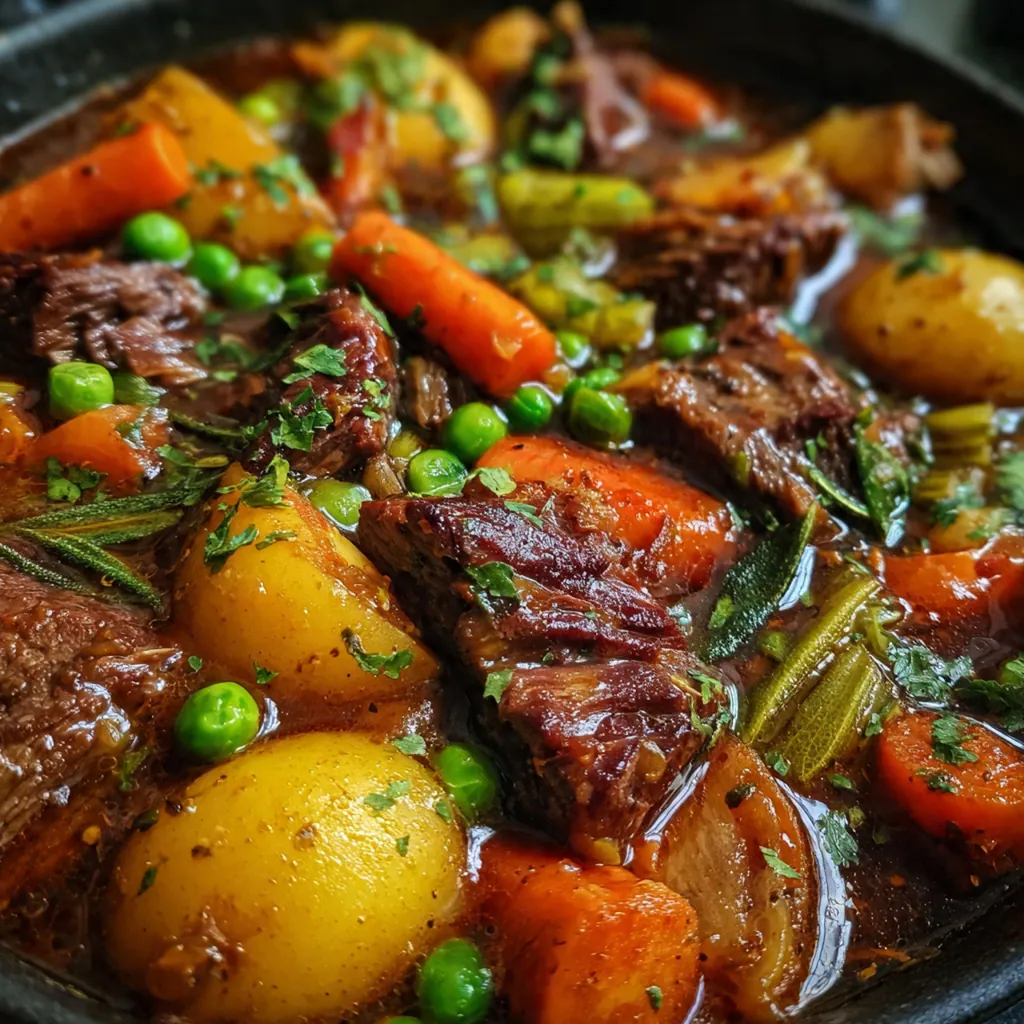
- Pat the beef dry before coating it for the best sear
- Don’t rush the browning step – it builds the sauce’s foundation
- Low and slow oven cooking is non-negotiable for tender beef
- Stir in the frozen peas at the very end to keep them bright green
- I always make a double batch because it freezes so well
Storage Tips
Let your beef casserole cool completely before transferring it to an airtight container—it’ll keep in the fridge for up to four days. Reheat it gently on the stovetop over low heat, adding a splash of broth if the sauce seems too thick, or warm individual portions in the oven at 350°F until heated through. For longer storage, freeze portions in sealed containers for up to three months, then thaw them overnight in the refrigerator before reheating. The flavors actually deepen after a day or two, making the leftovers something to look forward to.
Ingredient Substitutions
If you don’t have red wine, you can swap it for an extra cup of beef broth mixed with a tablespoon of balsamic vinegar to mimic the acidity and depth. For a gluten-free beef casserole, just use your favorite gluten-free flour blend to coat the beef and double-check that your broth is certified gluten-free. No fresh thyme? A half teaspoon of dried thyme works, though the flavor will be slightly more concentrated. You can also swap the pearl onions for a chopped regular onion added with the carrots, or use fresh green beans instead of peas for a different vegetable twist.
Serving Suggestions
You absolutely cannot go wrong serving this beef casserole over a huge pile of creamy mashed potatoes – they’re the ultimate vehicle for that rich sauce. Buttered egg noodles or a soft polenta also work wonderfully, or for a lighter option, try it with a crusty piece of sourdough bread to soak up every last drop. On the side, a simple arugula salad with lemon vinaigrette or some steamed green beans provide a crisp, fresh contrast that cuts through the richness beautifully and completes the meal.
Cultural Context
This beef casserole sits firmly in the tradition of American comfort food, drawing direct inspiration from classic French beef stews like boeuf bourguignon but simplifying them for the home cook. It’s the kind of hearty, one-pot meal that became a staple in mid-20th century home kitchens, prized for its ability to feed a family affordably and with minimal fuss. The method of flouring and browning meat before a long braise is a technique found in countless global cuisines, but here it’s streamlined into a truly weeknight-friendly format. It represents that beautiful intersection of humble ingredients and patient cooking that turns an ordinary dinner into something deeply satisfying and memorable.
Pro Tips
- For a thicker sauce, make a cornstarch slurry and stir it in at the end
- You can assemble the entire casserole a day ahead and bake it when needed
- Use a good drinking wine for the best flavor in your sauce
- Let the casserole rest for 10 minutes after baking for the flavors to settle
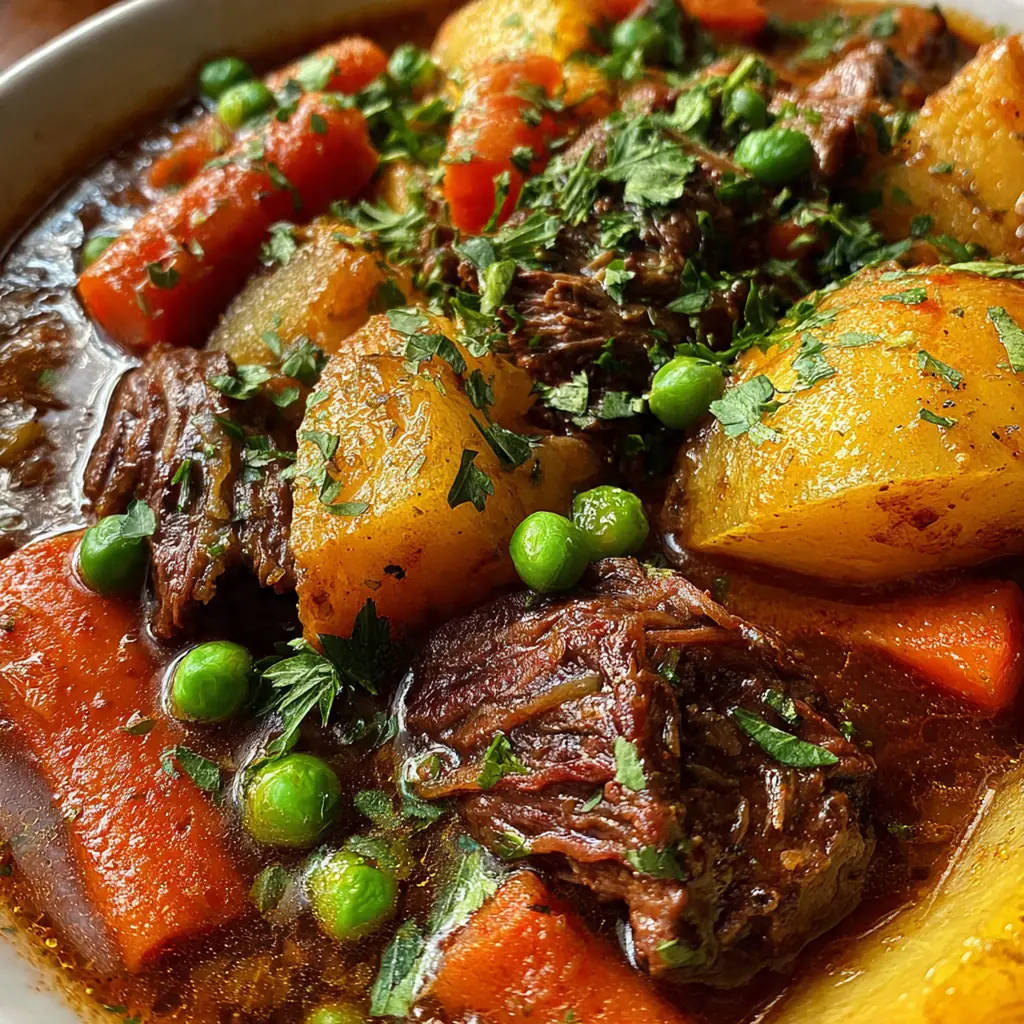
- I never skip the fresh parsley garnish – it makes all the difference
Frequently Asked Questions
For the most tender and flavorful results, a well-marbled cut like beef chuck roast is ideal. When braised for the full two hours, the connective tissue breaks down, leaving you with incredibly succulent, fork-tender meat that soaks up the rich sauce.
Absolutely, and it often tastes even better the next day! This beef casserole is a perfect make-ahead meal. Simply let it cool completely, store it covered in the refrigerator for up to 3 days, and reheat it gently on the stovetop or in the oven.
If you prefer not to cook with wine, you can substitute it with an equal amount of additional low-sodium beef broth. For a similar depth of flavor, add an extra tablespoon of tomato paste and a splash of balsamic vinegar or red wine vinegar to the broth.
The casserole is ready when the beef is fall-apart tender. After about 2 hours of braising, the beef should easily shred with a fork, and the sauce will have thickened to a rich, gravy-like consistency that coats the back of a spoon.
This hearty American classic pairs wonderfully with creamy mashed potatoes, buttered egg noodles, or a thick slice of crusty bread to soak up every bit of the savory sauce. A simple side salad or steamed green beans adds a fresh contrast.